

Swollen anklesfluid that gathers in the legs.
Swollen ankles are common and often have a simple cause. Sometimes they are a sign that the heart needs help. Here is what to look for.
Get emergency help now if you have
Call emergency services or go to the nearest emergency department. Do not wait for a clinic appointment.
- One leg that is suddenly swollen, red, warm or painful
- Swelling with chest pain, sudden breathlessness or coughing up blood
- Swelling that is getting worse quickly, with breathlessness at rest
What it can mean
Most of these are common and treatable, and several have nothing to do with the heart. Telling them apart is what an assessment is for.
- Heart failureFluid collects when the heart is not pumping well, typically in both ankles and worse by the evening.
- Heart valve diseaseA leaking or narrowed valve can raise the pressure in the veins and lead to fluid build-up.
- MedicinesSome blood pressure tablets, such as amlodipine, commonly cause ankle swelling.
- Veins and postureVaricose veins, hot weather and long periods of sitting or standing.
- Kidneys and liverConditions that change how the body handles salt, water and protein.
When to see a cardiologist
Book an appointment, rather than waiting to see if it passes, if any of these apply to you.
- Swelling in both ankles that is there most days
- Swelling with breathlessness, or needing more pillows at night
- Weight going up quickly, for example 2 kg in three days
- Swelling that started after a new medicine (do not stop it yourself)
What we would do
Listen
We start with your story: what you feel, when it comes and what brings it on. It is the most useful part of the assessment.
Examine and record
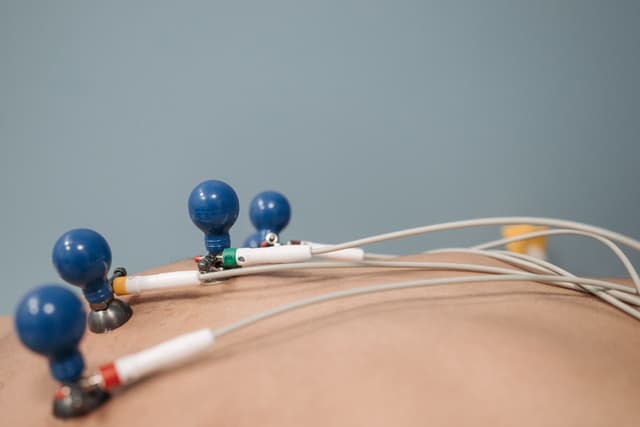
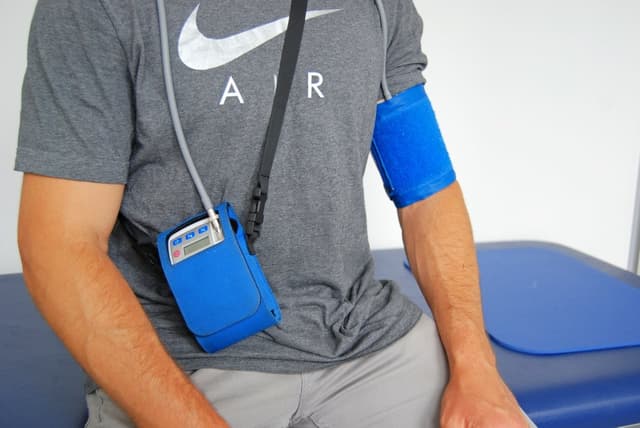
Pulse, blood pressure, heart sounds and an ECG, usually during the same visit.
Test only what matters
If a question is still open, we choose the test that answers it, and no more than that.
Explain the plan
You leave knowing what is likely behind the symptom, what happens next and when to come back.
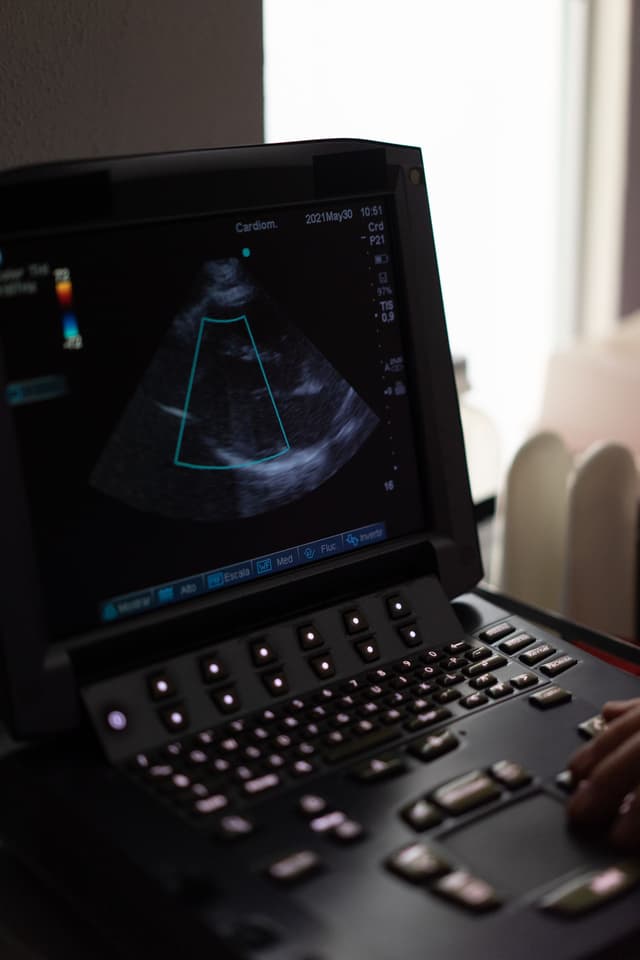
Tests that may help
Common questions
Are swollen ankles always a sign of heart failure?
No. Heat, long periods of sitting or standing, varicose veins and some medicines are common causes. Swelling in both legs together with breathlessness is the pattern most worth checking for the heart.
Does it matter if one leg or both are swollen?
Yes. One swollen leg, especially if it is painful, red or warm, can be a clot and needs same-day assessment. Swelling in both legs is more often linked to the heart, kidneys, liver, veins or medicines.
What helps in the meantime?
Raising your legs when you sit and staying active can help. Do not start or stop water tablets without advice.
Would you like it looked at properly?
Book a consultation or send a question on WhatsApp. The symptom is assessed in person, and the findings and next steps are explained to you before you leave.
This page explains what a symptom can be linked to. It cannot diagnose you or replace an examination. If your symptoms are severe, sudden or happening now, seek emergency care immediately.