

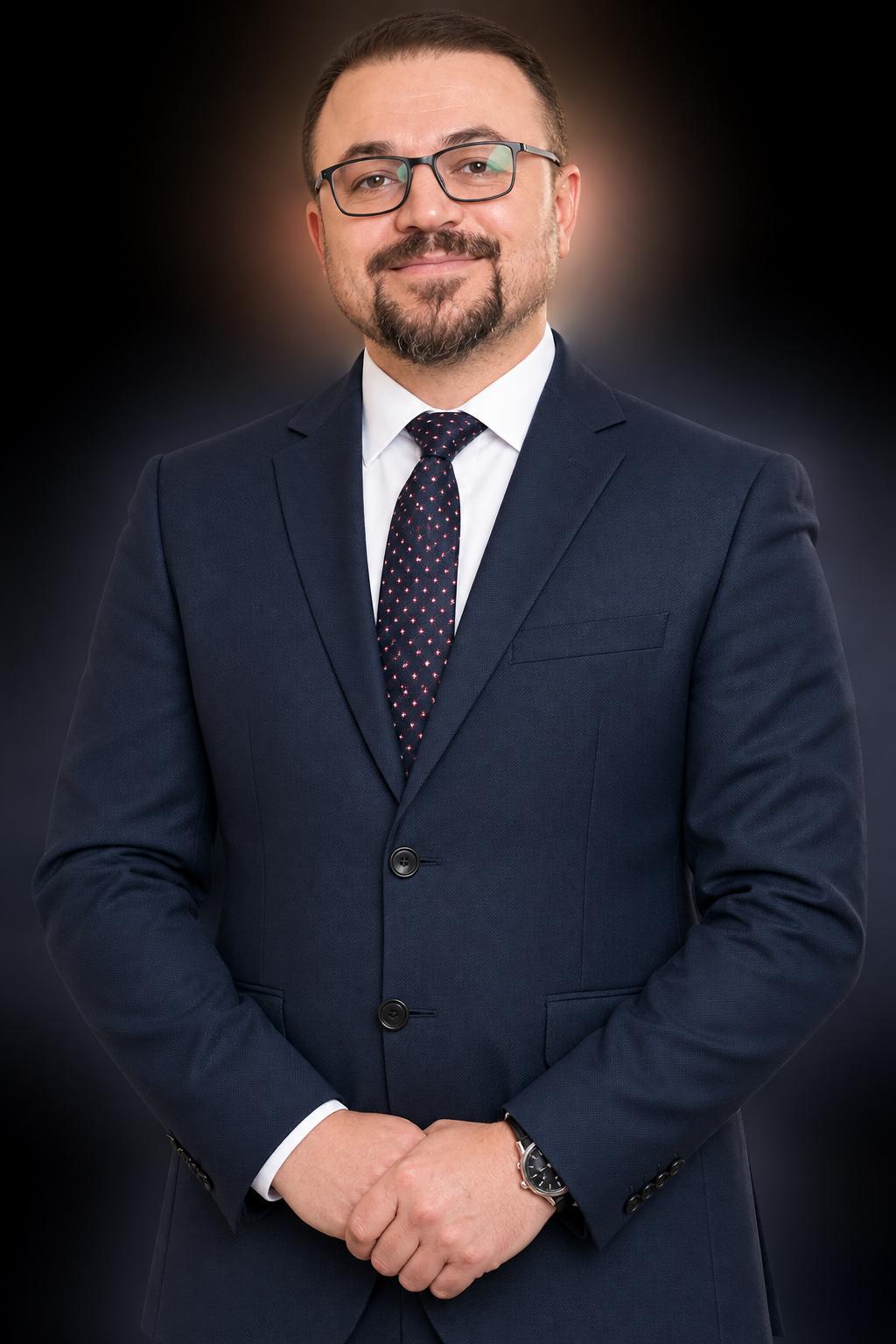
Dr. Karzan M. Abdullah
Senior Specialist Physician
- Medicine
- Education
- Leadership
- Speaker
Common heart conditions, explained plainly.
- Heart failureThe heart muscle is not pumping or filling as well as it should, so the body receives less than it needs.
- Atrial fibrillationAn irregular, often fast heartbeat that starts in the upper chambers and raises the risk of stroke.
- High blood pressurePressure in the arteries stays too high. It rarely causes symptoms, but it strains the heart and blood vessels over time.
- High cholesterolToo much cholesterol in the blood, which can build up in artery walls over many years.
- Coronary artery diseaseThe arteries that supply the heart muscle become narrowed by fatty plaque.
- CardiomyopathyA disease of the heart muscle itself, which may become thickened, stretched or stiff.
- Heart valve diseaseOne of the heart's four valves does not open fully or does not close properly.
- AnginaChest discomfort, usually on exertion, when the heart muscle briefly gets too little blood.
- ArrhythmiaA heartbeat that is too fast, too slow or irregular, caused by a problem in the heart's electrical system.
- Diabetes and the heartDiabetes raises the risk of heart and blood vessel disease, so the two are best managed together.
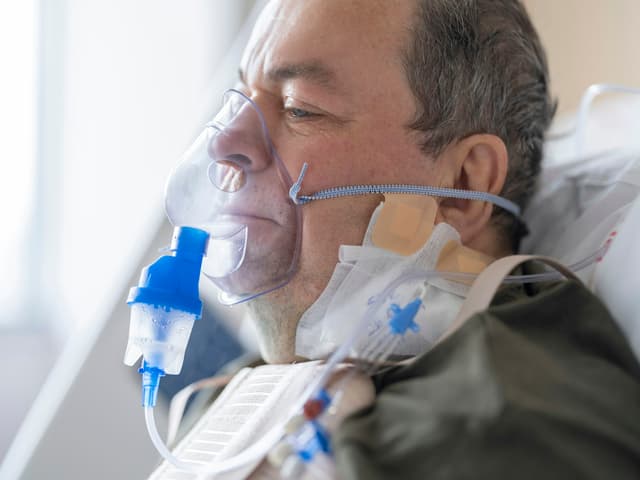 Heart failureThe heart muscle is not pumping or filling as well as it should, so the body receives less than it needs.
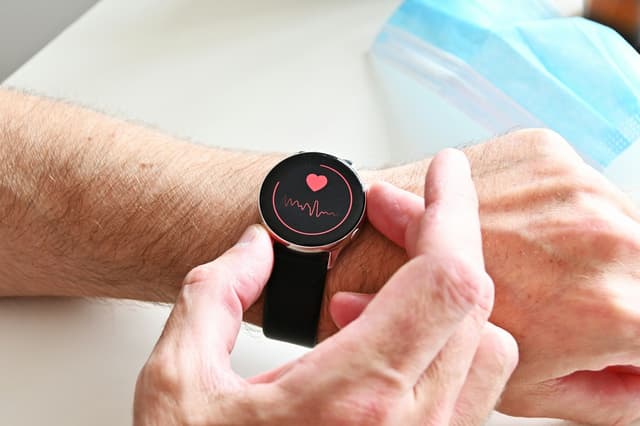 Atrial fibrillationAn irregular, often fast heartbeat that starts in the upper chambers and raises the risk of stroke.
 High blood pressurePressure in the arteries stays too high. It rarely causes symptoms, but it strains the heart and blood vessels over time.
 High cholesterolToo much cholesterol in the blood, which can build up in artery walls over many years.
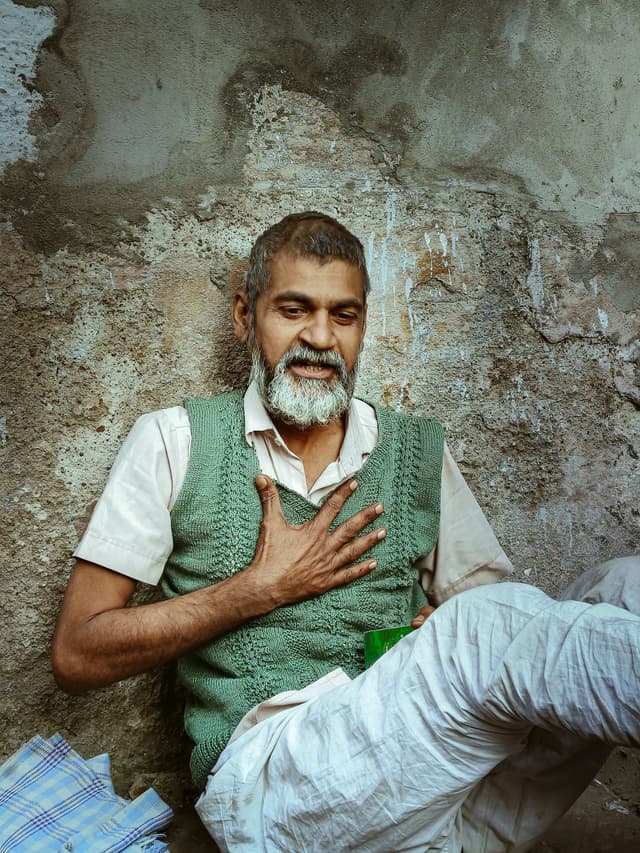 Coronary artery diseaseThe arteries that supply the heart muscle become narrowed by fatty plaque.
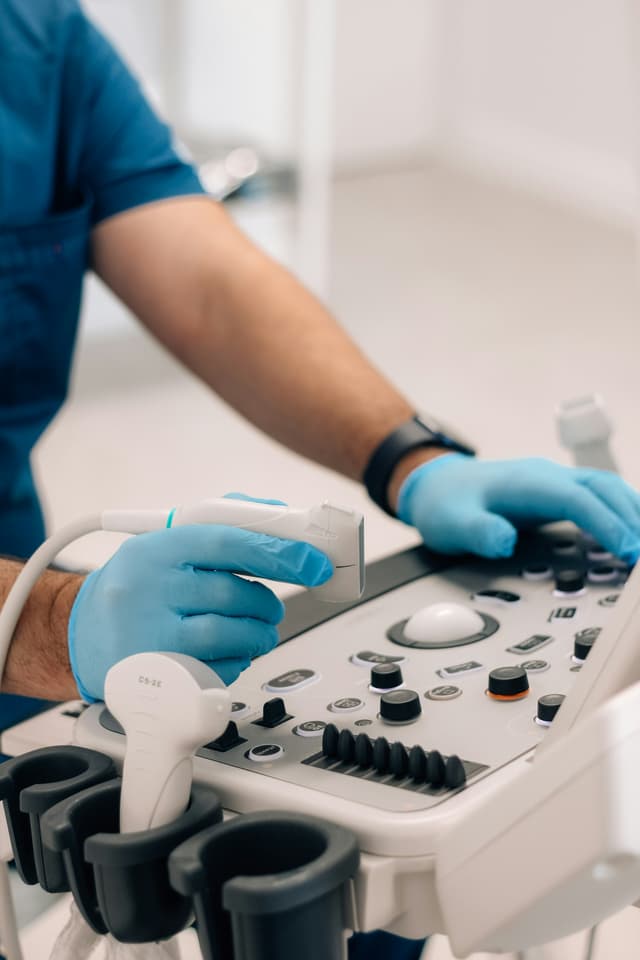 CardiomyopathyA disease of the heart muscle itself, which may become thickened, stretched or stiff.
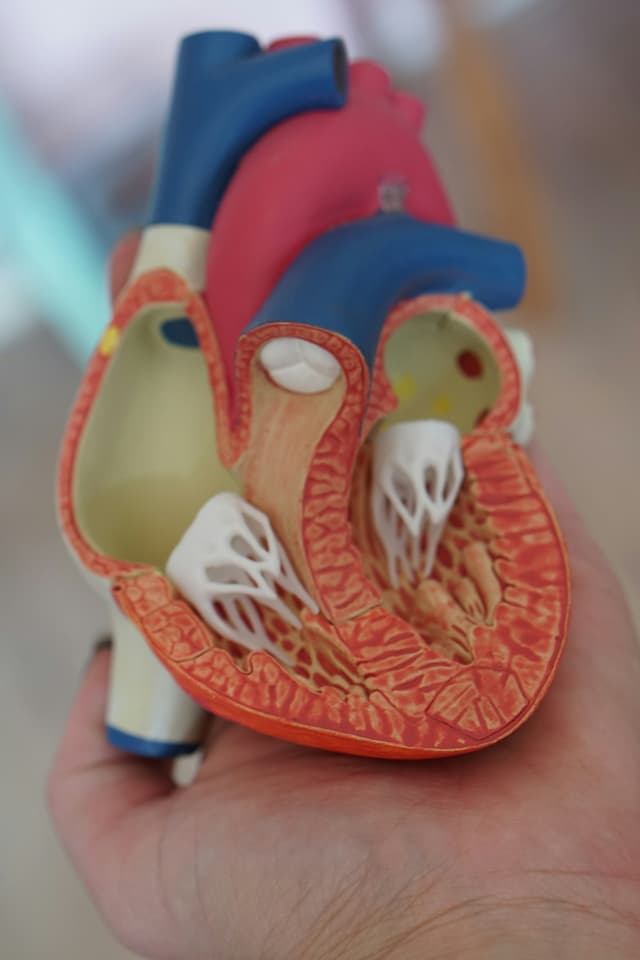 Heart valve diseaseOne of the heart's four valves does not open fully or does not close properly.
 AnginaChest discomfort, usually on exertion, when the heart muscle briefly gets too little blood.
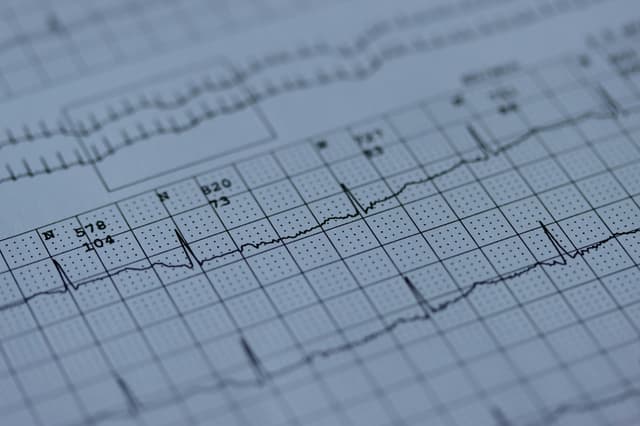 ArrhythmiaA heartbeat that is too fast, too slow or irregular, caused by a problem in the heart's electrical system.
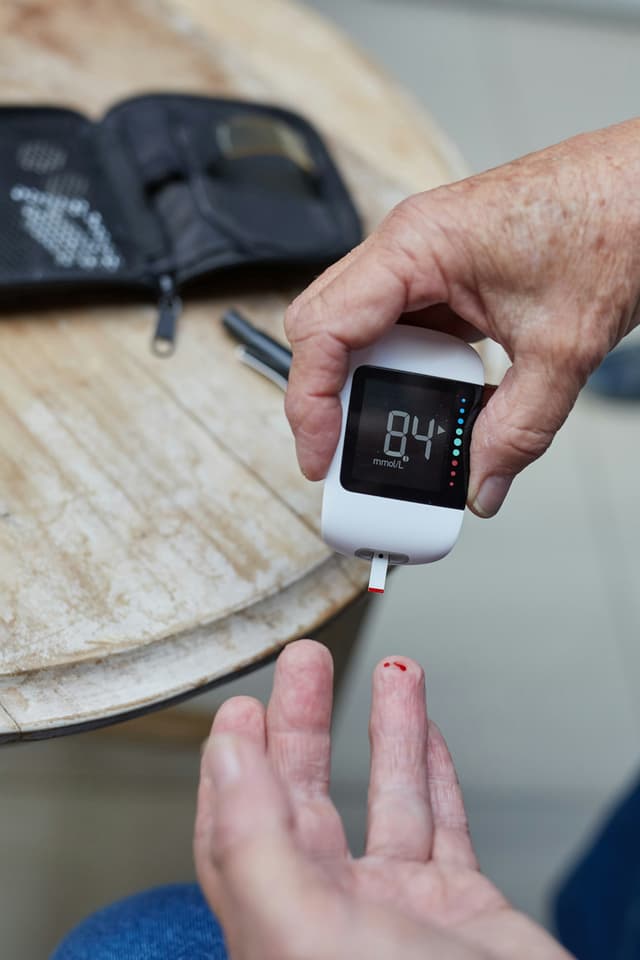 Diabetes and the heartDiabetes raises the risk of heart and blood vessel disease, so the two are best managed together.
Tests that show what your heart is really doing.
Available in clinic
Hospital referral

About Dr. Karzan
Trained in Britain.Now caring for hearts in Erbil.
Dr. Karzan Mohammed Abdullah is a cardiologist in Erbil. After qualifying in 2008 he spent a decade training in the United Kingdom, working through nine NHS placements and earning MRCP (UK) from the Royal College of Physicians in London.
NHS placements
9
England and Wales
UK membership
MRCP
Royal College of Physicians, London
Practising in
Erbil
Zanko Hospital and Rizgari Teaching Hospital
Why choose us
UK-trained physician
A decade of postgraduate training across nine NHS placements, with MRCP (UK) and an MD completed in the United Kingdom.
Focused cardiac expertise
General cardiology with focused experience in heart failure, high blood pressure and cardiometabolic health.
Personalised care
Your assessment and treatment plan reflect your condition, risk factors, medicines and everyday life.
Clear next steps
You receive a plain-language explanation, a practical plan and clear guidance on what happens next.
In the media
Videos and media appearances
 Watch video
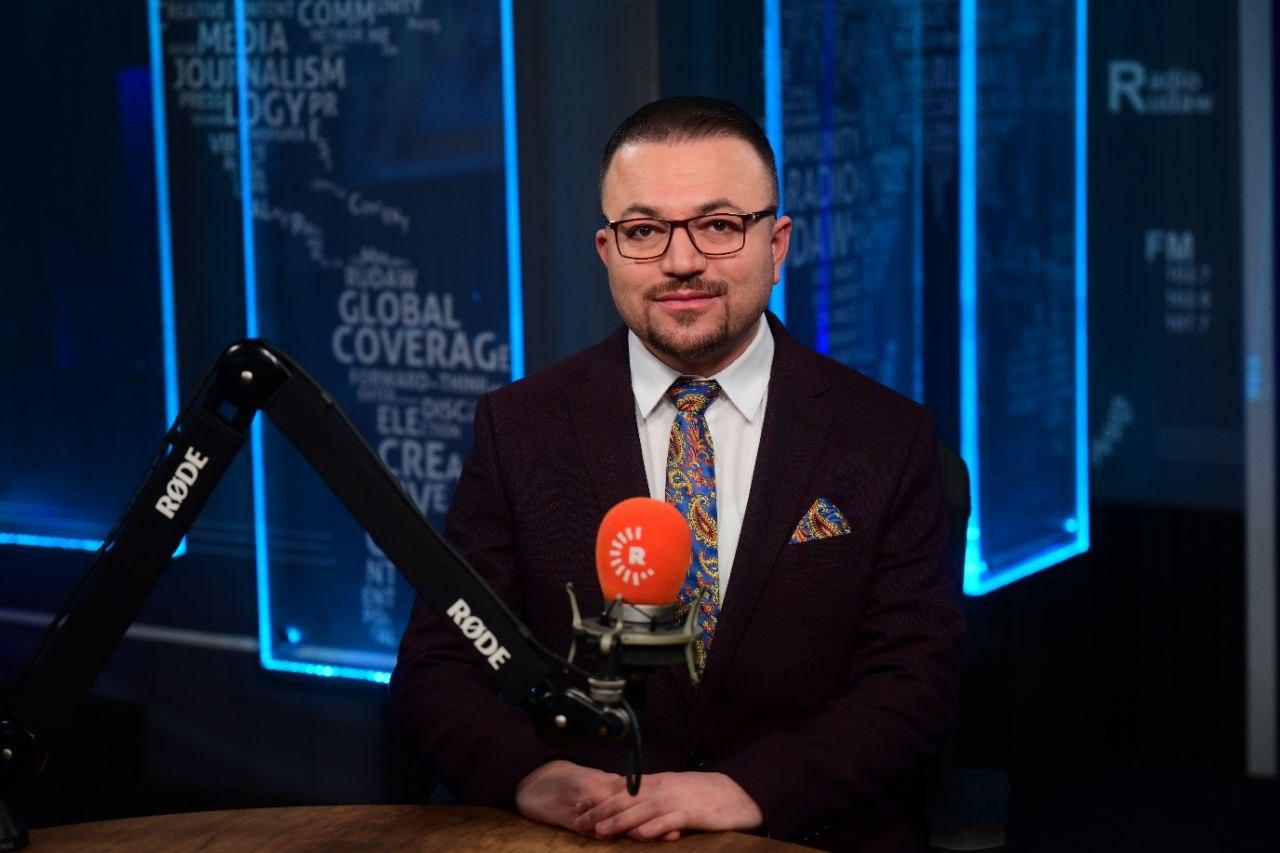
Rudaw
Cardiac health, in Kurdish
Interviews and podcast appearances discussing heart health for a Kurdish-speaking audience.
Do I need a referral to see a cardiologist in Erbil?
No. You can book directly. If your doctor has already referred you, bring the referral letter and any tests that were done, as it saves repeating them.
How long does a first appointment take?
Allow about 45 minutes. That covers the consultation and examination, and an ECG if one is needed. If an echocardiogram is arranged on the same day, allow longer.
What should I bring to my appointment?
A list of your current medications with doses, any previous ECG or echocardiogram reports, recent blood test results, and your identification.
Which languages can I be seen in?
Kurdish, English and Arabic. Dr. Karzan is a native Kurdish speaker, trained and examined in English, and speaks Arabic fluently.
How much does a heart check-up cost?
Consultation and investigation fees are confirmed when you book — ask us on WhatsApp or by phone and we will give you the figure before you attend.
Next step
Book an appointment
Message us on WhatsApp or call the clinic. We will reply to confirm a time — nothing is booked automatically.
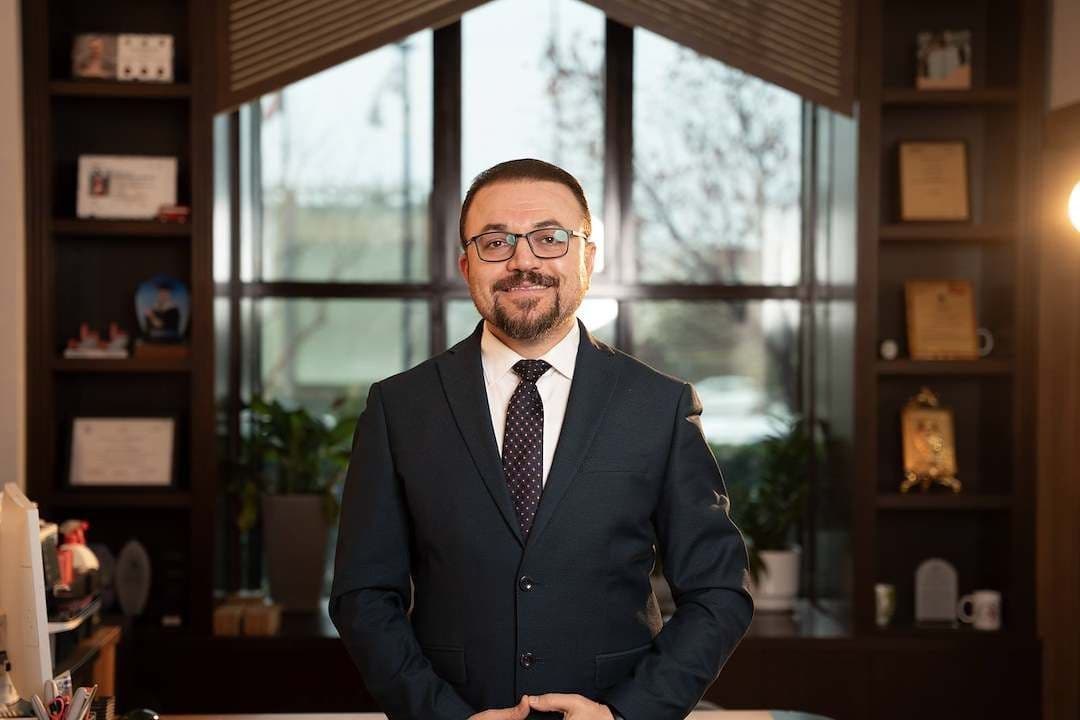
Visiting the clinic
- Address
- Zanko Hospital, Erbil, Kurdistan Region, Iraq
- Consulting hours
- Saturday–Thursday, 3:00–9:00 pm
These directory-listed hours may change. Please call or message on WhatsApp before travelling.