

Coronary artery diseasenarrowed arteries to the heart muscle.
Coronary artery disease is a narrowing of the arteries that supply the heart muscle, caused by a build-up of fatty plaque. It can cause angina, and it is the main cause of heart attacks. It can be slowed, and its risks greatly reduced.
At a glance
- Often noticed as
- Chest discomfort on exertion, or no symptoms
- Confirmed with
- A CT coronary scan or a stress test
- Aim of care
- Relieve symptoms and prevent heart attacks
- Followed up in
- General cardiology
Symptoms
Symptoms vary from person to person, and some people have none. These are the most common.
- Chest pain, tightness or heaviness on exertion (angina)
- Breathlessness on exertion
- Pain spreading to the arm, jaw, neck or back
- Tiredness, especially in older people and people with diabetes
- No symptoms at all, until a heart attack
Causes and risk factors
- High cholesterol
- High blood pressure
- Smoking
- Diabetes
- A family history of early heart disease
- Age, excess weight and inactivity
How it is diagnosed
The diagnosis starts with your history and an examination. These are the tests most often used to confirm it.
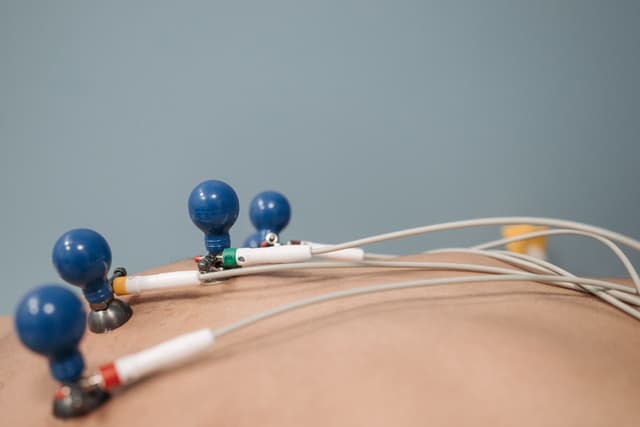
- ECGAvailable in clinic
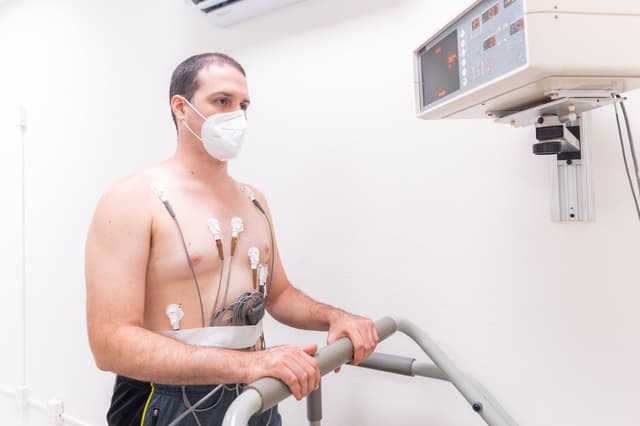
- Stress testingAvailable in clinic
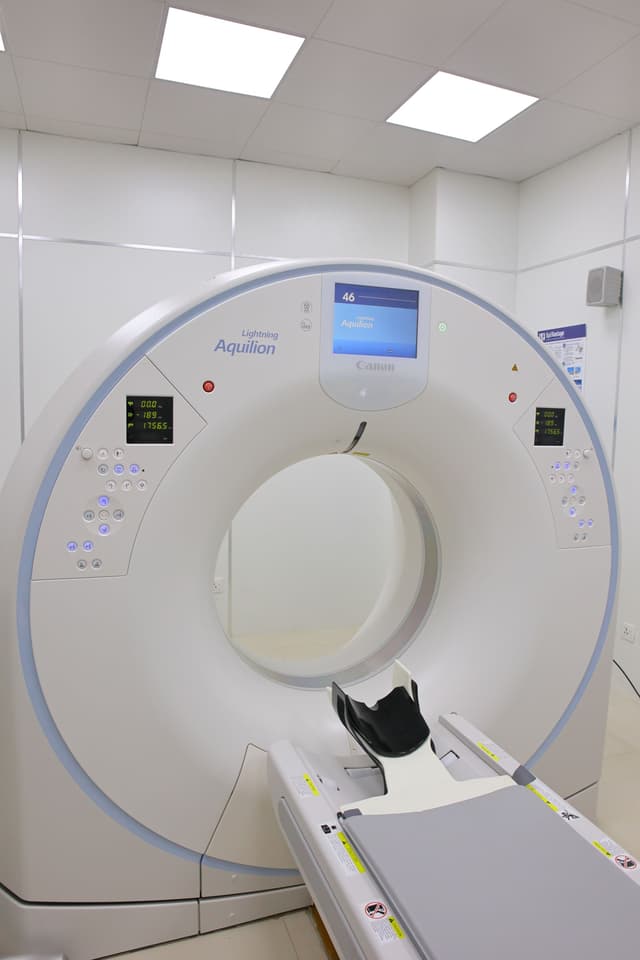
- CT imagingHospital referral
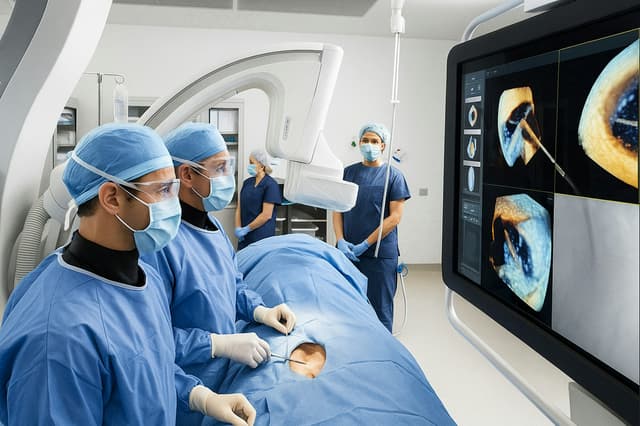
- Coronary angiographyHospital referral
How it is managed
Protect the arteries
Aspirin or a similar medicine, and a statin, lower the risk of a heart attack.
Relieve angina
Medicines ease chest pain and make exercise more comfortable.
Treat the risk factors
Stopping smoking and controlling blood pressure, cholesterol and diabetes slow the disease.
Open the artery, when needed
If symptoms persist or a narrowing is severe, a stent or bypass surgery is arranged by referral to a specialist centre.
General information, not a treatment plan. Your treatment is decided with you after an assessment.
Get emergency help now if you have
Call emergency services or go to the nearest emergency department. Do not wait for a clinic appointment.
- Chest pain lasting more than 15 minutes, or coming on at rest
- Chest pain with sweating, sickness or breathlessness
- Fainting
- Angina that is suddenly worse or more frequent
Common questions
Do I need an angiogram?
Not always. Many people are first assessed with a CT scan or a stress test. An angiogram is recommended when its result would change your treatment.
Can the narrowing be reversed?
Plaque can be stabilised, and sometimes reduced a little, with a statin and risk-factor control. The aim is to stop it progressing.
Is it safe to exercise?
For most people, yes, and it helps. Your limits are agreed after an assessment, sometimes with a stress test.
Other conditions
All conditions- Heart failureThe heart muscle is not pumping or filling as well as it should, so the body receives less than it needs.
- Atrial fibrillationAn irregular, often fast heartbeat that starts in the upper chambers and raises the risk of stroke.
- High blood pressurePressure in the arteries stays too high. It rarely causes symptoms, but it strains the heart and blood vessels over time.
- High cholesterolToo much cholesterol in the blood, which can build up in artery walls over many years.
- CardiomyopathyA disease of the heart muscle itself, which may become thickened, stretched or stiff.
- Heart valve diseaseOne of the heart's four valves does not open fully or does not close properly.
- AnginaChest discomfort, usually on exertion, when the heart muscle briefly gets too little blood.
- ArrhythmiaA heartbeat that is too fast, too slow or irregular, caused by a problem in the heart's electrical system.
- Diabetes and the heartDiabetes raises the risk of heart and blood vessel disease, so the two are best managed together.
Living with this, or worried you might be?
Book a consultation or send a question on WhatsApp. Your history, results and treatment are reviewed in person, and the plan is explained to you before you leave.
This page explains a condition in general terms. It cannot diagnose you or replace an examination, and it is not a treatment plan. Do not change or stop a medicine without talking to your doctor. If your symptoms are severe, sudden or happening now, seek emergency care immediately.