
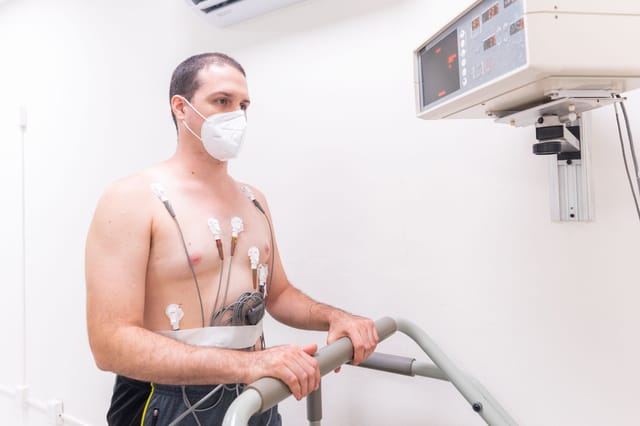
Stress testinghow your heart copes with effort.
Your heart rhythm, blood pressure and symptoms are monitored while you walk on a treadmill that slowly gets faster and steeper. It shows what a resting test cannot.
Available in clinic
At a glance
- How long
- About 45 minutes
- Preparation
- Comfortable shoes
- Results
- Explained the same day
- Where
- In clinic
Why it might be recommended
Every test is chosen to answer a specific question. These are the most common reasons for this one.
- Chest pain or tightness that comes on with exertion
- Breathlessness on walking that seems out of proportion
- Checking exercise capacity before or after treatment
- Palpitations brought on by exercise
What happens
Resting readings
ECG stickers and a blood-pressure cuff are fitted, and your resting readings are taken.
Exercise
You walk on a treadmill. Every few minutes the speed and slope increase a little.
Monitoring
Your ECG and blood pressure are watched throughout. Say at once if you feel chest pain, dizziness or breathlessness; you can stop at any time.
Recovery
You rest while your readings settle, and then the findings are discussed with you.
How to prepare
- Wear comfortable shoes and loose clothing you can walk in
- Eat only a light meal in the two hours before, and avoid caffeine that day
- Ask in advance whether to pause any medicines, such as beta-blockers. Never stop them on your own
Conditions it helps assess
- Coronary artery diseaseThe arteries that supply the heart muscle become narrowed by fatty plaque.
- AnginaChest discomfort, usually on exertion, when the heart muscle briefly gets too little blood.
- ArrhythmiaA heartbeat that is too fast, too slow or irregular, caused by a problem in the heart's electrical system.
Common questions
Is it safe?
For most people, yes. It is supervised throughout and stopped at once if anything is of concern. Your health is reviewed beforehand to make sure the test is suitable.
What if I can't walk on a treadmill?
Tell us when you book. Other ways of testing the heart under stress can be arranged by referral.
How hard do I need to push?
As far as you comfortably can. The aim is to reach a target heart rate or bring on your usual symptoms safely, not to exhaust you.
Other tests
All tests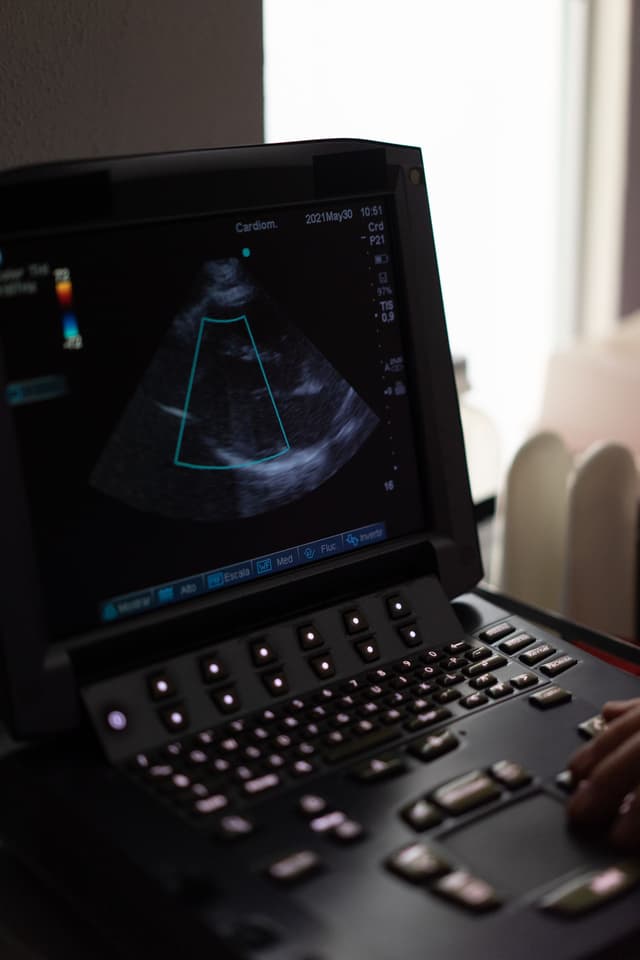 EchocardiographyAvailable in clinic
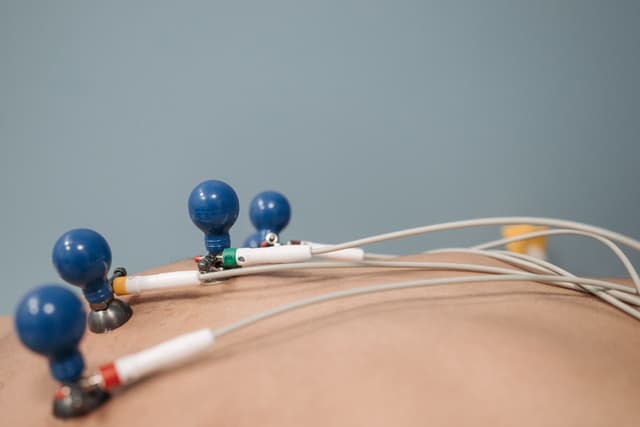 ECGAvailable in clinic
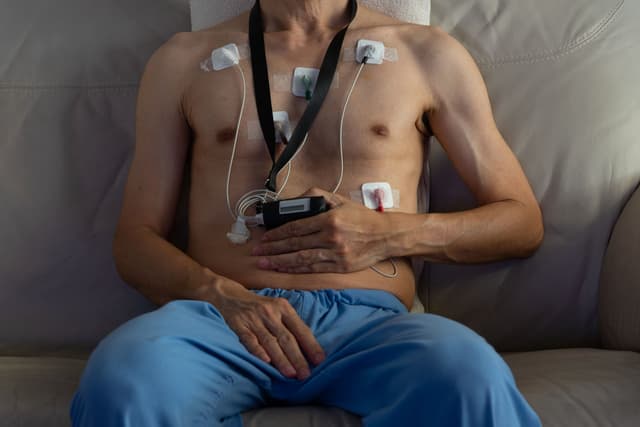 Holter monitoringAvailable in clinic
 Cardiac risk assessmentAvailable in clinic
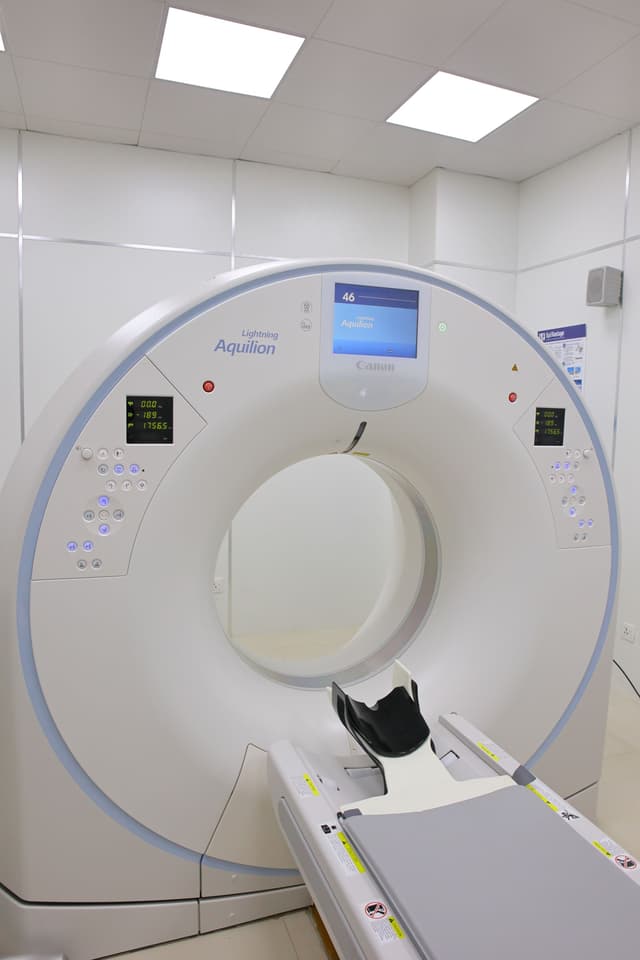 CT imagingHospital referral
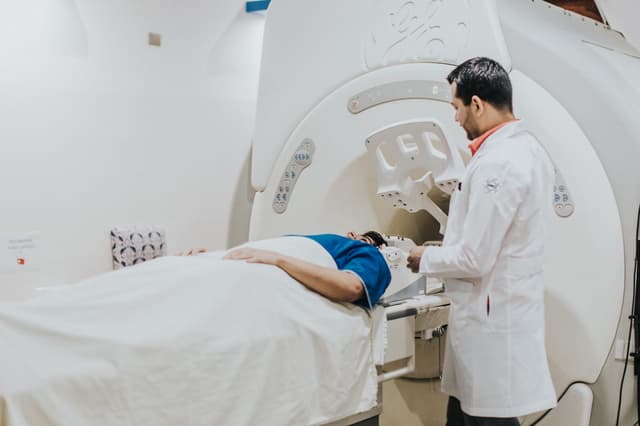 Cardiac MRIHospital referral
 Coronary angiographyHospital referral
 Body composition analysisHospital referral
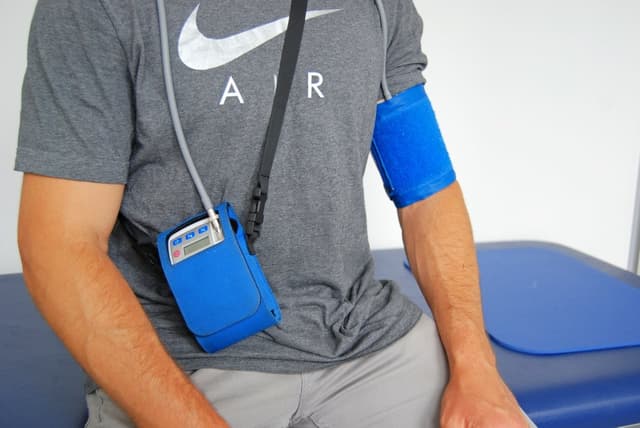 24-hour blood-pressure monitoringHospital referral
Not sure this is the test you need?
You do not have to decide alone. Book a consultation or send a question on WhatsApp. Tests are chosen once your symptoms and history have been reviewed.
This page explains what the test involves. It is not medical advice for your situation. If you have sudden or severe chest pain, fainting or breathlessness, seek emergency care immediately.