
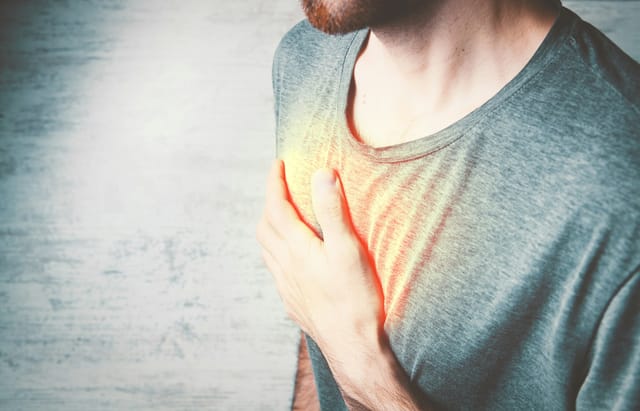
Anginachest discomfort that comes with effort.
Angina is chest discomfort that happens when the heart muscle briefly gets too little blood, usually because the coronary arteries are narrowed. It typically comes on with exertion and settles with rest. It is a warning worth acting on.
At a glance
- Often noticed as
- Chest tightness on exertion, easing with rest
- Confirmed with
- Your history, a stress test or a CT scan
- Aim of care
- Relieve symptoms and prevent a heart attack
- Followed up in
- General cardiology
Symptoms
Symptoms vary from person to person, and some people have none. These are the most common.
- Chest tightness, pressure or heaviness on exertion
- Discomfort spreading to the arm, jaw, neck or back
- Breathlessness on exertion
- Symptoms brought on by cold, stress or a heavy meal
- Discomfort that eases within minutes of rest
Causes and risk factors
- Coronary artery disease, the most common cause
- High cholesterol and high blood pressure
- Smoking and diabetes
- A family history of early heart disease
- Less often, a narrowed aortic valve or thickened heart muscle
How it is diagnosed
The diagnosis starts with your history and an examination. These are the tests most often used to confirm it.
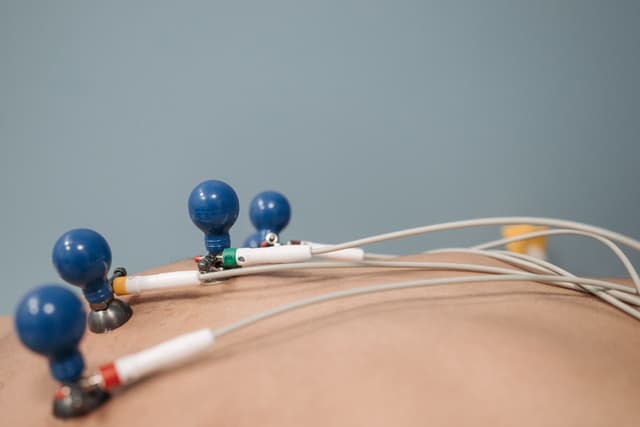
- ECGAvailable in clinic
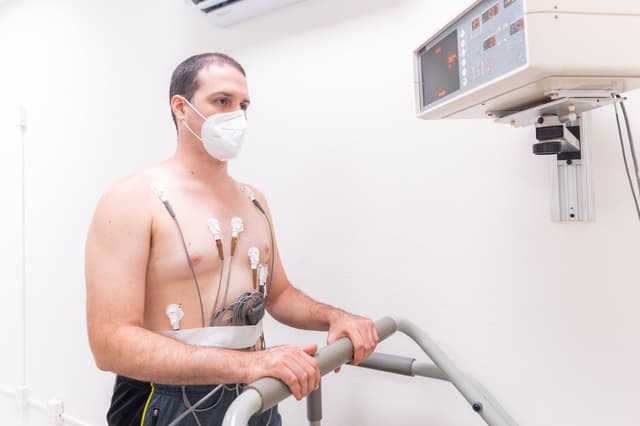
- Stress testingAvailable in clinic
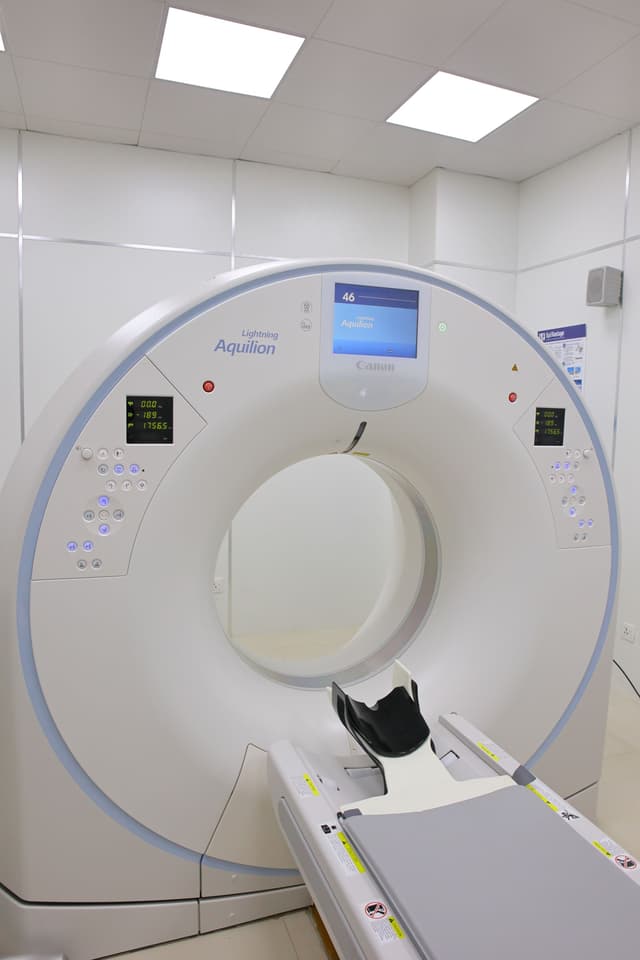
- CT imagingHospital referral
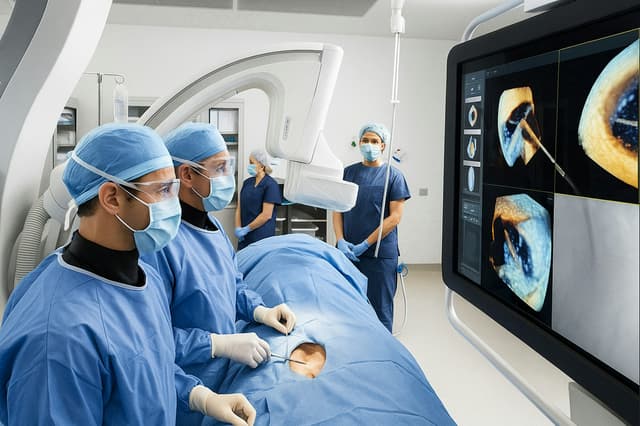
- Coronary angiographyHospital referral
How it is managed
Relief when it happens
A GTN spray or tablet under the tongue eases an attack within minutes.
Preventing attacks
Daily medicines reduce how often angina happens and let you do more before it starts.
Protecting the heart
Aspirin or a similar medicine, a statin and risk-factor control lower the risk of a heart attack.
Opening the artery, when needed
If medicines are not enough, angiography and a stent or bypass are arranged by referral.
General information, not a treatment plan. Your treatment is decided with you after an assessment.
Get emergency help now if you have
Call emergency services or go to the nearest emergency department. Do not wait for a clinic appointment.
- Chest pain lasting more than 15 minutes, or not easing with rest or GTN
- Chest pain that comes on at rest
- Chest pain with sweating, sickness or breathlessness
- Angina that is suddenly more frequent or more severe
Common questions
How is angina different from a heart attack?
Angina settles within minutes of rest. Pain that lasts longer than 15 minutes, or comes on at rest, may be a heart attack and needs emergency care.
Can angina be cured?
Symptoms can often be controlled completely with medicines or, when needed, a stent. The underlying artery disease is managed for life.
Should I stop exercising?
No. Regular, sensible exercise is good for angina. Your safe level is agreed after an assessment.
Other conditions
All conditions- Heart failureThe heart muscle is not pumping or filling as well as it should, so the body receives less than it needs.
- Atrial fibrillationAn irregular, often fast heartbeat that starts in the upper chambers and raises the risk of stroke.
- High blood pressurePressure in the arteries stays too high. It rarely causes symptoms, but it strains the heart and blood vessels over time.
- High cholesterolToo much cholesterol in the blood, which can build up in artery walls over many years.
- Coronary artery diseaseThe arteries that supply the heart muscle become narrowed by fatty plaque.
- CardiomyopathyA disease of the heart muscle itself, which may become thickened, stretched or stiff.
- Heart valve diseaseOne of the heart's four valves does not open fully or does not close properly.
- ArrhythmiaA heartbeat that is too fast, too slow or irregular, caused by a problem in the heart's electrical system.
- Diabetes and the heartDiabetes raises the risk of heart and blood vessel disease, so the two are best managed together.
Living with this, or worried you might be?
Book a consultation or send a question on WhatsApp. Your history, results and treatment are reviewed in person, and the plan is explained to you before you leave.
This page explains a condition in general terms. It cannot diagnose you or replace an examination, and it is not a treatment plan. Do not change or stop a medicine without talking to your doctor. If your symptoms are severe, sudden or happening now, seek emergency care immediately.