
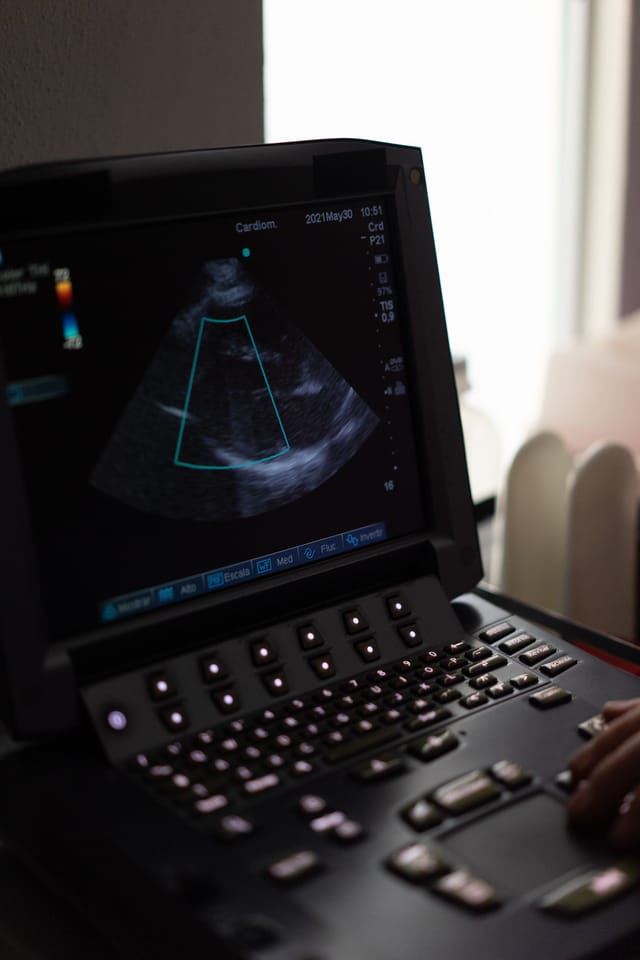
Echocardiographyan ultrasound scan of your heart.
Sound waves build a moving picture of your heart. It shows how well the heart pumps, how the valves open and close, and whether any chamber is enlarged.
Available in clinic
At a glance
- How long
- 30–45 minutes
- Preparation
- None needed
- Results
- Explained the same day
- Where
- In clinic
Why it might be recommended
Every test is chosen to answer a specific question. These are the most common reasons for this one.
- Breathlessness, swollen ankles or tiredness that may come from the heart
- A heart murmur heard on examination
- Known heart failure, valve disease or cardiomyopathy that needs monitoring
- Long-standing high blood pressure, to check its effect on the heart muscle
What happens
Getting ready
You undress to the waist, put on a gown and lie on a couch, turned slightly onto your left side.
Gel and probe
Cool gel goes on your chest and a small ultrasound probe is moved over it, pressing firmly at times.
Recording
Stickers on your chest record your rhythm alongside the images. You may be asked to hold your breath, and you may hear the blood flowing.
Results
The images are reviewed and the findings explained before you leave, with a written report to keep.
How to prepare
- Eat, drink and take your usual medicines as normal
- Wear a two-piece outfit so you only need to undress to the waist
- Bring previous echo reports or hospital letters if you have them
Conditions it helps assess
- Heart failureThe heart muscle is not pumping or filling as well as it should, so the body receives less than it needs.
- High blood pressurePressure in the arteries stays too high. It rarely causes symptoms, but it strains the heart and blood vessels over time.
- CardiomyopathyA disease of the heart muscle itself, which may become thickened, stretched or stiff.
- Heart valve diseaseOne of the heart's four valves does not open fully or does not close properly.
Common questions
Does an echocardiogram hurt?
No. It uses ultrasound, not radiation. The only discomfort is the cool gel and some firm pressure from the probe.
Is it the same as an ECG?
No. An ECG records the heart's electrical activity; an echo shows its structure and movement. They are often done together because they answer different questions.
Can I drive afterwards?
Yes. There is no sedation, and you can return to normal activity straight away.
Other tests
All tests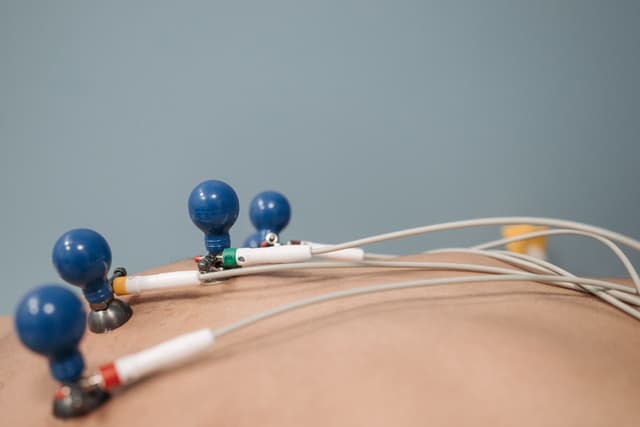 ECGAvailable in clinic
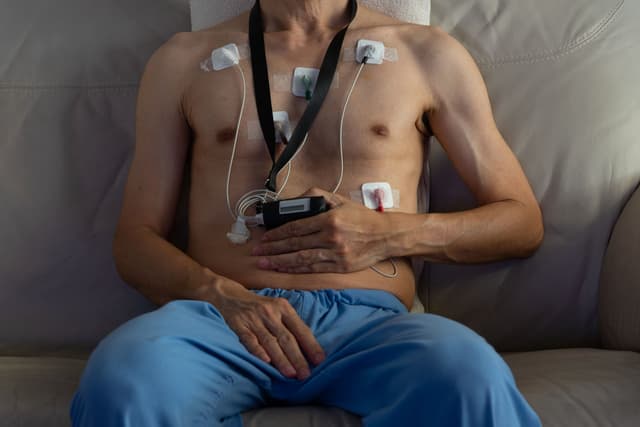 Holter monitoringAvailable in clinic
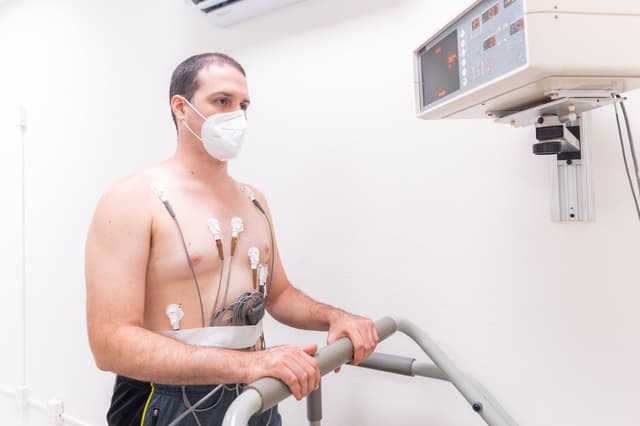 Stress testingAvailable in clinic
 Cardiac risk assessmentAvailable in clinic
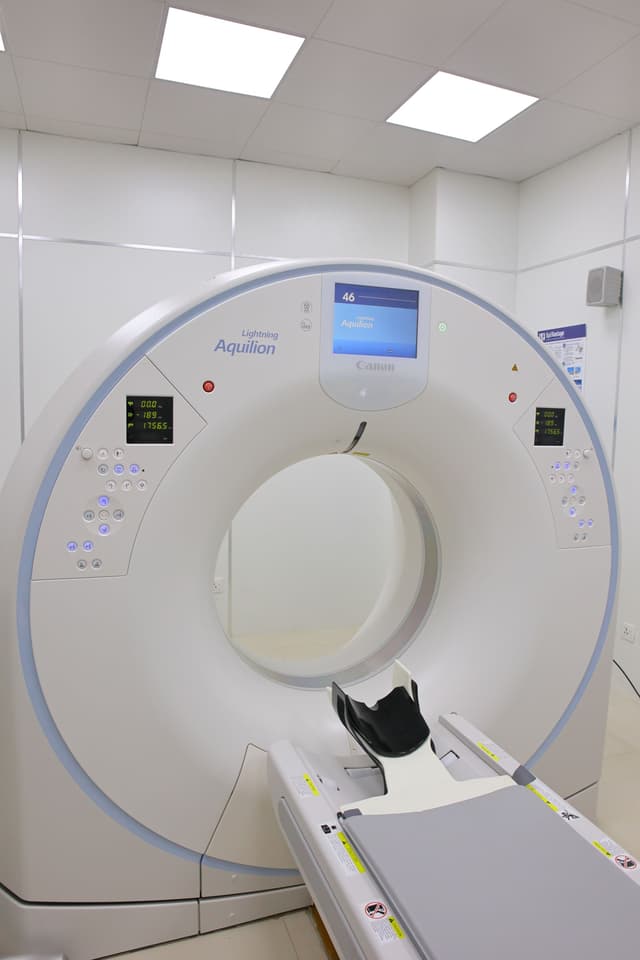 CT imagingHospital referral
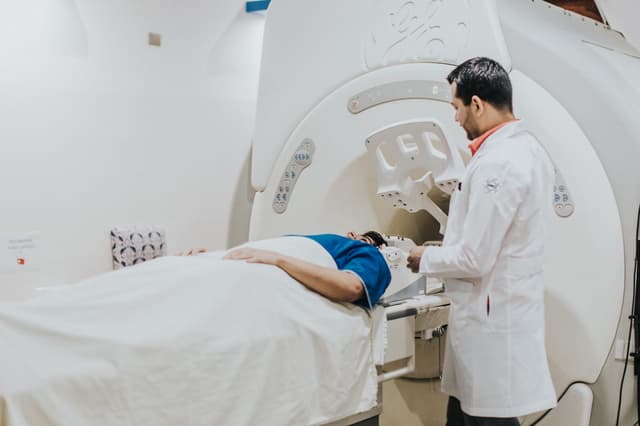 Cardiac MRIHospital referral
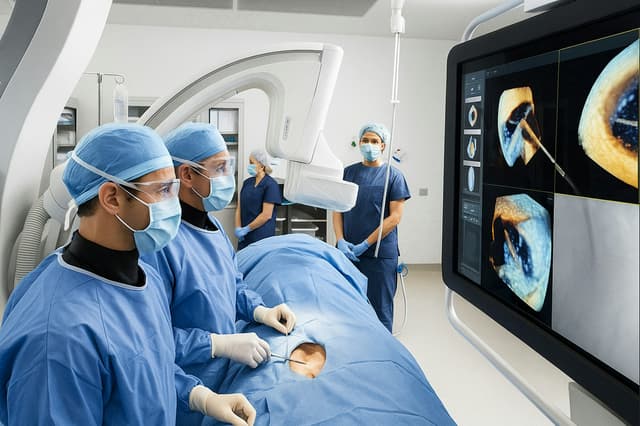 Coronary angiographyHospital referral
 Body composition analysisHospital referral
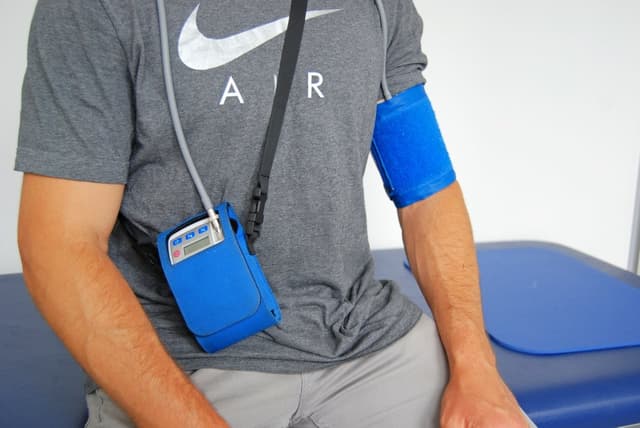 24-hour blood-pressure monitoringHospital referral
Not sure this is the test you need?
You do not have to decide alone. Book a consultation or send a question on WhatsApp. Tests are chosen once your symptoms and history have been reviewed.
This page explains what the test involves. It is not medical advice for your situation. If you have sudden or severe chest pain, fainting or breathlessness, seek emergency care immediately.