

Body composition analysiswhat your weight is made of.
A bioelectrical impedance scale such as InBody estimates body fat, muscle and water. It helps where weight and heart risk overlap, and is always read alongside your history.
Hospital referral
At a glance
- How long
- About 5 minutes
- Preparation
- No heavy meal beforehand
- Results
- Printed on the spot
- Where
- Arranged by referral
Why it might be recommended
Every test is chosen to answer a specific question. These are the most common reasons for this one.
- Planning weight loss where heart risk is a concern
- Diabetes, high blood pressure or high cholesterol linked to weight
- Checking that fat is falling while muscle is kept
- Questions about fluid, alongside other tests
What happens
Getting ready
You remove shoes, socks and heavy items, and your height and age are entered.
Standing
You stand barefoot on the metal footplates and hold the hand electrodes.
Measuring
A tiny current you cannot feel passes through your body for about a minute while you stay still.
Printout
A printout shows fat, muscle and water, which is interpreted together with your other results.
How to prepare
- Avoid a heavy meal, alcohol and hard exercise for a few hours beforehand
- Use the toilet before the measurement
- Tell us if you have a pacemaker or other implanted device, or are pregnant; the test may not be suitable
Conditions it helps assess
- High blood pressurePressure in the arteries stays too high. It rarely causes symptoms, but it strains the heart and blood vessels over time.
- High cholesterolToo much cholesterol in the blood, which can build up in artery walls over many years.
- Diabetes and the heartDiabetes raises the risk of heart and blood vessel disease, so the two are best managed together.
Common questions
Is it accurate?
It is an estimate. It is most useful for comparing your own results over time, measured under similar conditions.
Can I have it with a pacemaker?
Usually not. Tell us about any implanted device so we can advise you.
Why does a cardiologist measure this?
Where fat is stored, and how much muscle you keep, affect blood pressure, blood sugar and cholesterol, which all affect the heart.
Other tests
All tests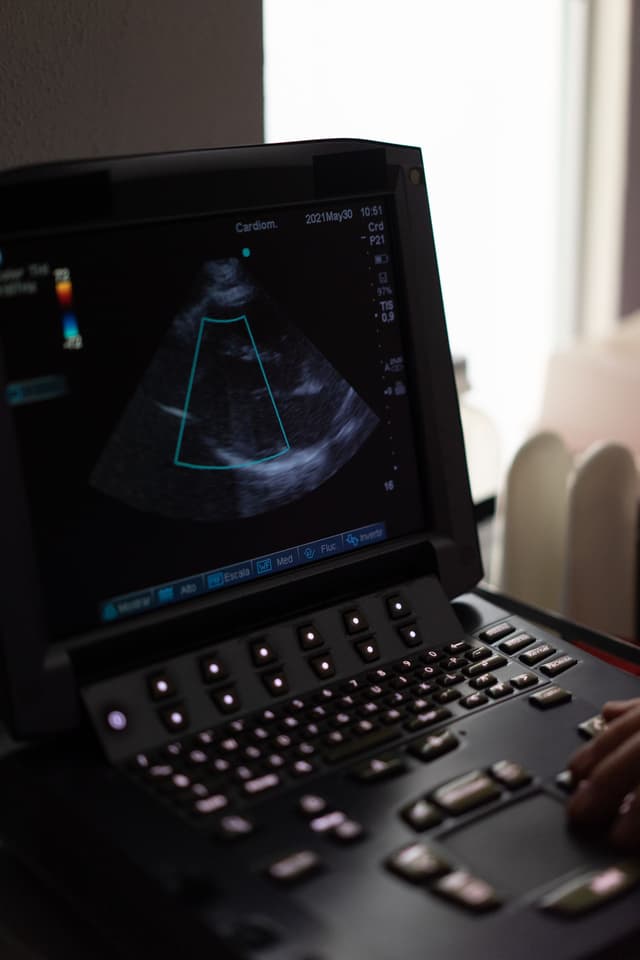 EchocardiographyAvailable in clinic
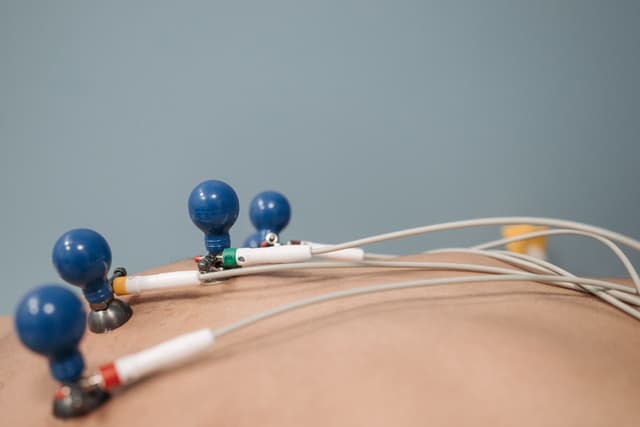 ECGAvailable in clinic
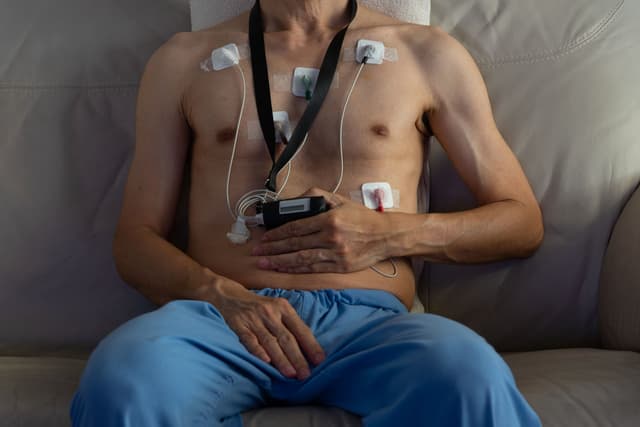 Holter monitoringAvailable in clinic
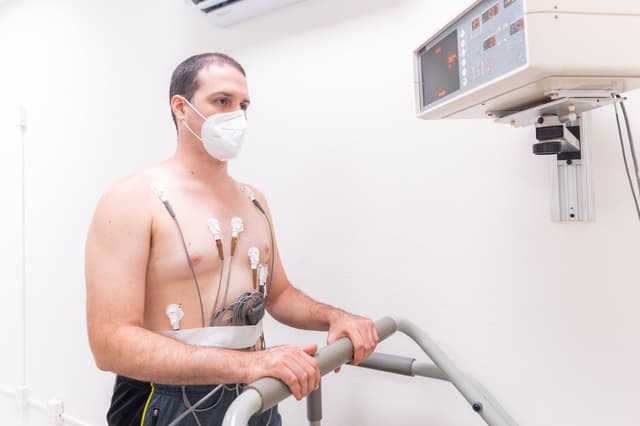 Stress testingAvailable in clinic
 Cardiac risk assessmentAvailable in clinic
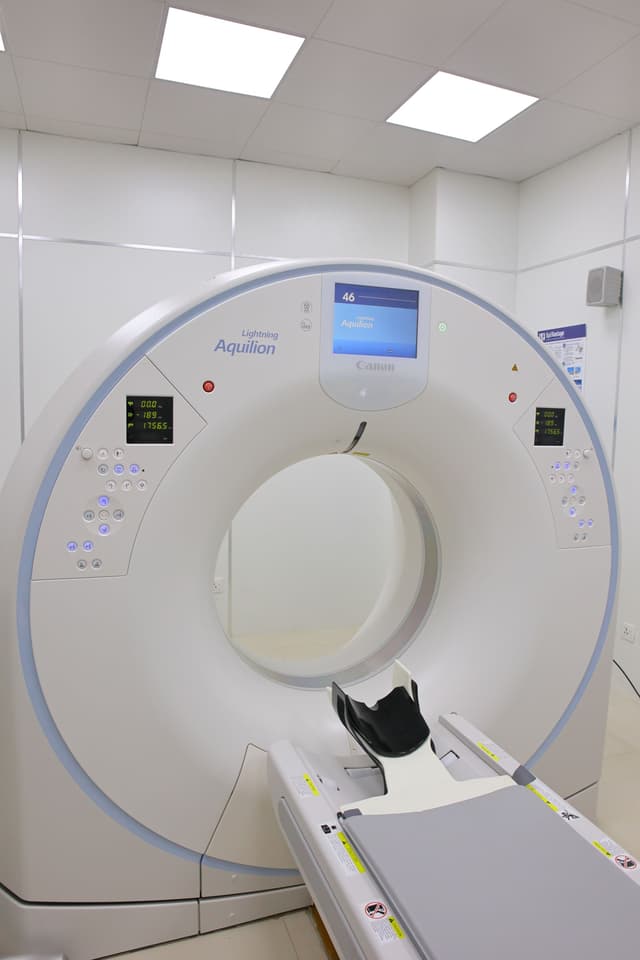 CT imagingHospital referral
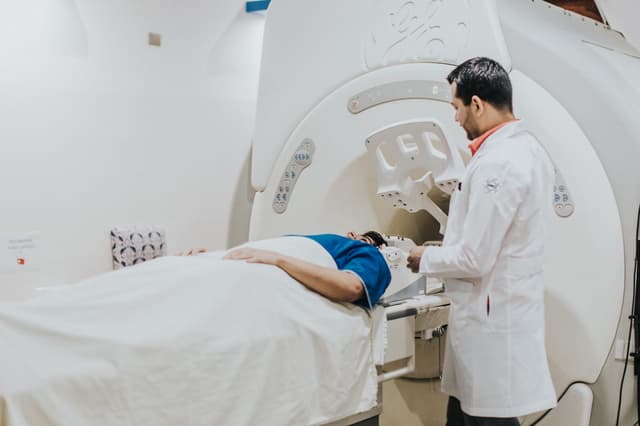 Cardiac MRIHospital referral
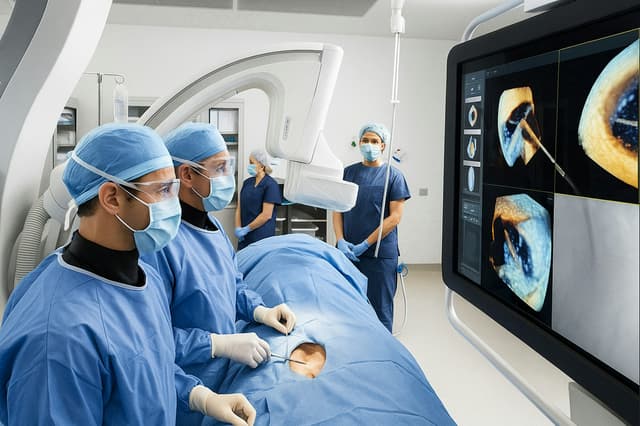 Coronary angiographyHospital referral
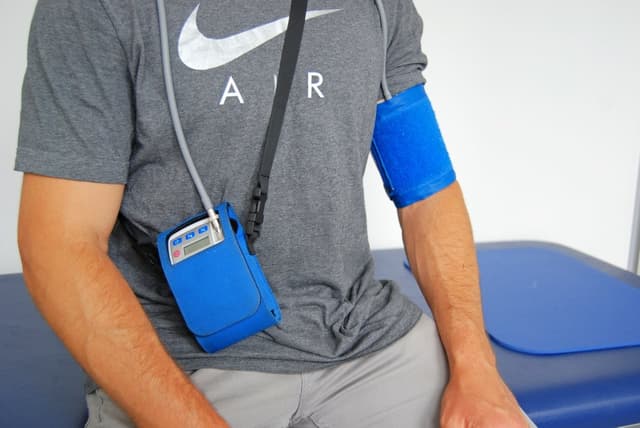 24-hour blood-pressure monitoringHospital referral
Not sure this is the test you need?
You do not have to decide alone. Book a consultation or send a question on WhatsApp. Tests are chosen once your symptoms and history have been reviewed.
This page explains what the test involves. It is not medical advice for your situation. If you have sudden or severe chest pain, fainting or breathlessness, seek emergency care immediately.