

Chest painpain, pressure or tightness in the chest.
Most chest pain is not caused by the heart, but some is, and the two can feel alike. Here is what it can mean, and when to have it checked.
Get emergency help now if you have
Call emergency services or go to the nearest emergency department. Do not wait for a clinic appointment.
- Pain that feels heavy, tight or crushing, or lasts more than 15 minutes
- Pain that spreads to the arm, back, neck or jaw
- Pain with sweating, nausea, breathlessness or feeling faint
- Sudden, severe tearing pain, or pain with coughing up blood
What it can mean
Most of these are common and treatable, and several have nothing to do with the heart. Telling them apart is what an assessment is for.
- AnginaTightness or heaviness brought on by effort or stress that eases with rest, because the heart muscle is short of blood.
- Coronary artery diseaseNarrowing of the arteries that feed the heart. It is the usual cause of angina and of heart attacks.
- Muscles and ribsSharp, localised pain that changes when you move, press on it or breathe in. Very common, and not from the heart.
- Reflux and the gulletBurning behind the breastbone, often after meals or when lying down.
- Anxiety and panicReal and sometimes frightening pain with a racing heart and fast breathing. It deserves a diagnosis, not an assumption.
When to see a cardiologist
Book an appointment, rather than waiting to see if it passes, if any of these apply to you.
- Discomfort that comes on with effort, such as walking uphill, stairs or carrying, and eases with rest
- Pain that keeps coming back, even if it settles each time
- Any chest pain if you have diabetes, high blood pressure or high cholesterol, you smoke, or a close relative had heart disease young
- You were seen in an emergency department and told to follow up with a cardiologist
What we would do
Listen
We start with your story: what you feel, when it comes and what brings it on. It is the most useful part of the assessment.
Examine and record
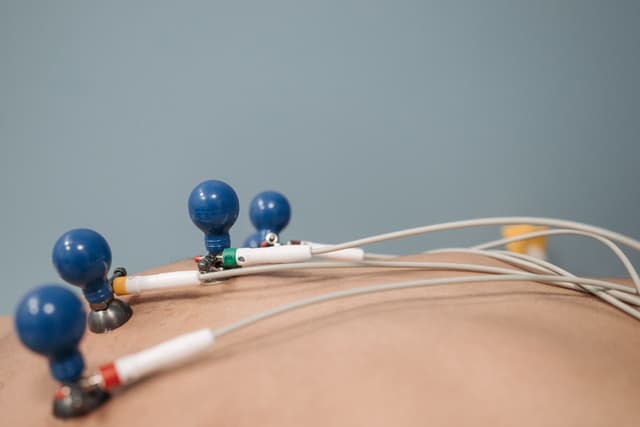
Pulse, blood pressure, heart sounds and an ECG, usually during the same visit.
Test only what matters
If a question is still open, we choose the test that answers it, and no more than that.
Explain the plan
You leave knowing what is likely behind the symptom, what happens next and when to come back.
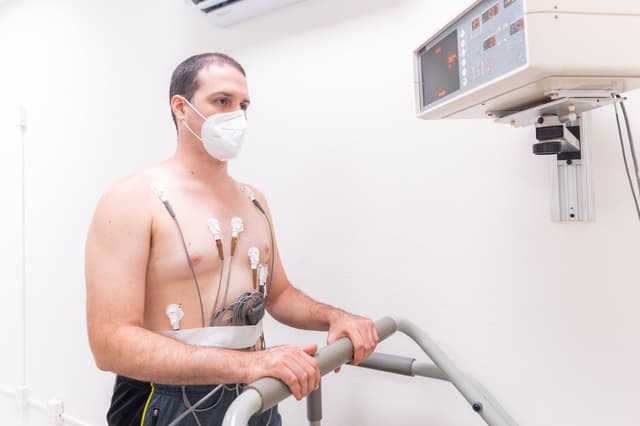
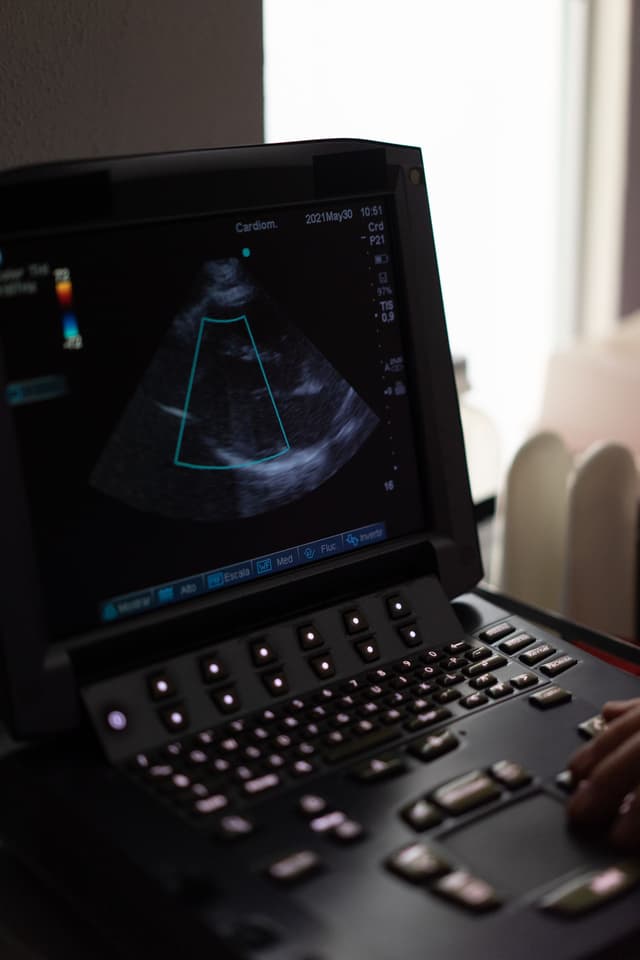
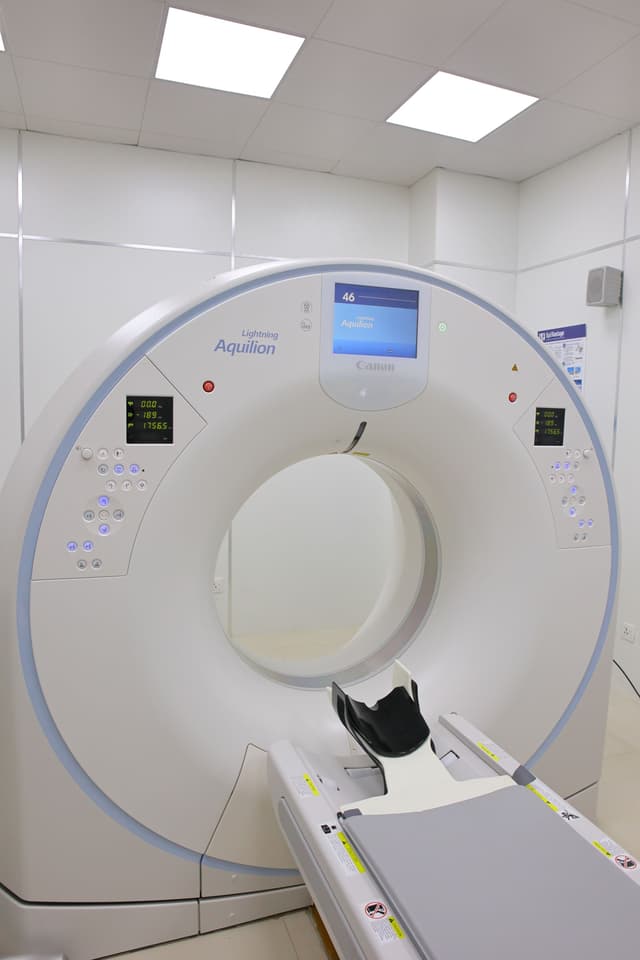
Tests that may help

Common questions
Is most chest pain a heart problem?
No. A lot of chest pain comes from the muscles, the ribs, the gullet or anxiety. But these are hard to tell apart from the heart by feel alone, which is why new or recurring chest pain should be assessed.
My ECG was normal. Can I still have heart disease?
Yes. A resting ECG is often normal between episodes of angina. If your symptoms suggest it, a stress test or a CT coronary angiogram looks further.
Can young people have heart-related chest pain?
It is less common, but yes, particularly with smoking, diabetes or a strong family history. Age alone does not rule it out.
Would you like it looked at properly?
Book a consultation or send a question on WhatsApp. The symptom is assessed in person, and the findings and next steps are explained to you before you leave.
This page explains what a symptom can be linked to. It cannot diagnose you or replace an examination. If your symptoms are severe, sudden or happening now, seek emergency care immediately.