
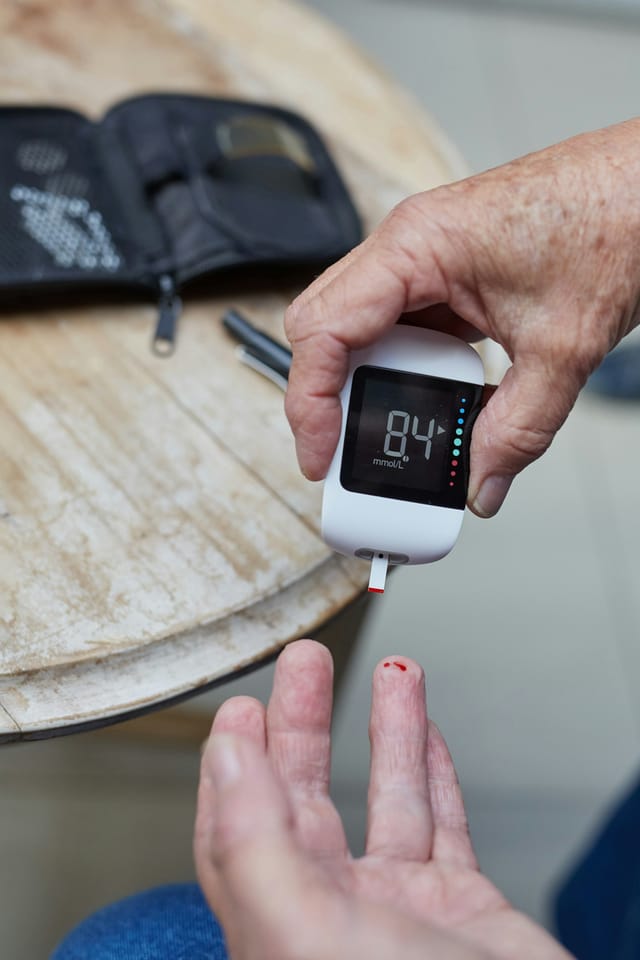
Diabetes and the hearttwo conditions best managed together.
Diabetes raises the risk of heart attack, stroke and heart failure, and heart disease is the leading cause of death in people with diabetes. The right treatment protects both, and some diabetes medicines now protect the heart directly.
At a glance
- Often noticed as
- Often no heart symptoms at all
- Confirmed with
- A cardiac risk assessment and an ECG
- Aim of care
- Lower heart risk, not just blood sugar
- Followed up in
- Cardiometabolic clinic
Symptoms
Symptoms vary from person to person, and some people have none. These are the most common.
- Heart disease in diabetes is often silent
- Breathlessness or tiredness instead of typical chest pain
- Chest discomfort on exertion
- Swollen ankles
Causes and risk factors
- Type 2 diabetes, especially of long standing
- High blood pressure and high cholesterol, which often come with it
- Excess weight, particularly around the waist
- Smoking
- Kidney disease
How it is diagnosed
The diagnosis starts with your history and an examination. These are the tests most often used to confirm it.
- Cardiac risk assessmentAvailable in clinic
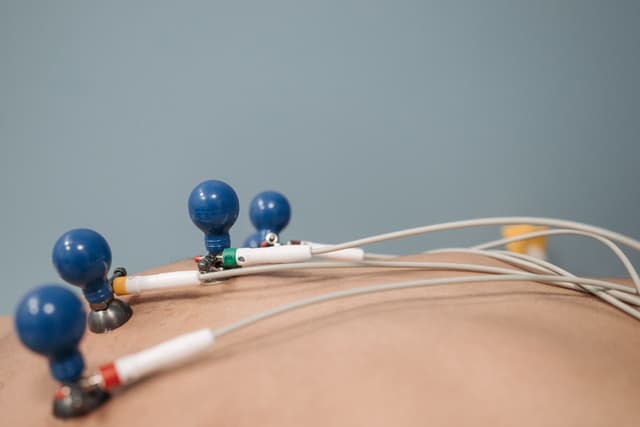
- ECGAvailable in clinic
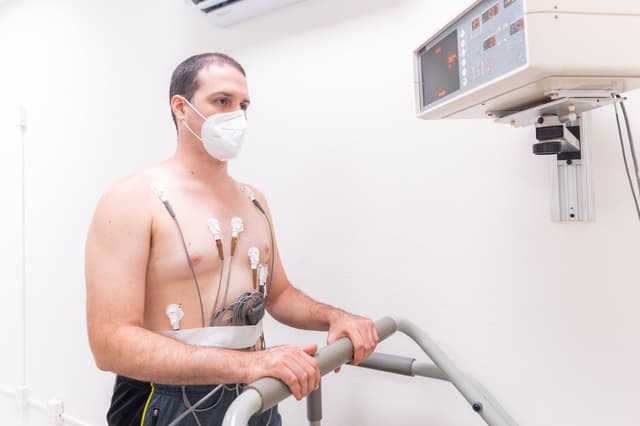
- Stress testingAvailable in clinic
- Body composition analysisHospital referral


How it is managed
Assess the whole risk
Blood pressure, cholesterol, kidneys and weight are reviewed together with blood sugar.
Heart-protecting diabetes medicines
Some newer diabetes medicines lower the risk of heart failure and heart attack, as well as sugar.
Blood pressure and cholesterol
Targets are usually stricter with diabetes, and most people benefit from a statin.
Weight, food and activity
Small, lasting changes improve sugar, pressure and cholesterol at the same time.
General information, not a treatment plan. Your treatment is decided with you after an assessment.
Get emergency help now if you have
Call emergency services or go to the nearest emergency department. Do not wait for a clinic appointment.
- Chest pain or tightness, even if mild
- Sudden breathlessness
- Sweating, sickness or feeling faint without a clear cause
- Weakness of the face, arm or leg, or difficulty speaking
Common questions
I have diabetes but no heart symptoms. Should I be checked?
It is worth having your heart risk assessed, because heart disease in diabetes is often silent. The assessment decides whether further tests are needed.
Which diabetes medicines protect the heart?
Some SGLT2 inhibitors and GLP-1 medicines have been shown to lower heart risk. Whether they suit you depends on your overall health.
Is controlling my sugar enough?
No. Blood pressure, cholesterol and not smoking matter as much for the heart as sugar control.
Other conditions
All conditions- Heart failureThe heart muscle is not pumping or filling as well as it should, so the body receives less than it needs.
- Atrial fibrillationAn irregular, often fast heartbeat that starts in the upper chambers and raises the risk of stroke.
- High blood pressurePressure in the arteries stays too high. It rarely causes symptoms, but it strains the heart and blood vessels over time.
- High cholesterolToo much cholesterol in the blood, which can build up in artery walls over many years.
- Coronary artery diseaseThe arteries that supply the heart muscle become narrowed by fatty plaque.
- CardiomyopathyA disease of the heart muscle itself, which may become thickened, stretched or stiff.
- Heart valve diseaseOne of the heart's four valves does not open fully or does not close properly.
- AnginaChest discomfort, usually on exertion, when the heart muscle briefly gets too little blood.
- ArrhythmiaA heartbeat that is too fast, too slow or irregular, caused by a problem in the heart's electrical system.
Living with this, or worried you might be?
Book a consultation or send a question on WhatsApp. Your history, results and treatment are reviewed in person, and the plan is explained to you before you leave.
This page explains a condition in general terms. It cannot diagnose you or replace an examination, and it is not a treatment plan. Do not change or stop a medicine without talking to your doctor. If your symptoms are severe, sudden or happening now, seek emergency care immediately.