
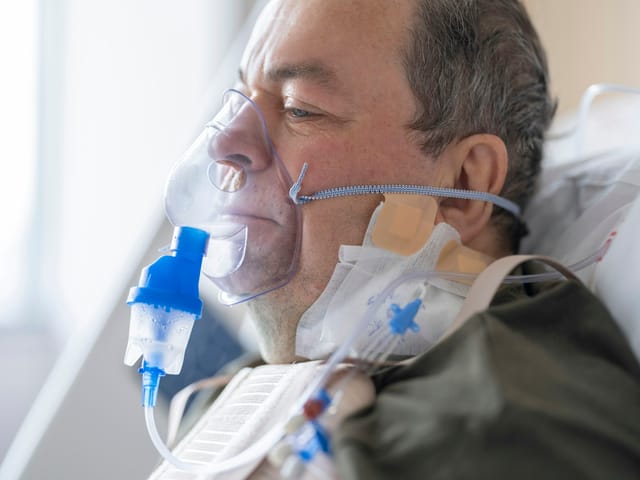
Heart failurewhen the heart cannot keep up.
Heart failure means the heart is not pumping or filling as well as it should. It does not mean the heart has stopped. With the right medicines and follow-up, most people feel better and live longer.
At a glance
- Often noticed as
- Breathlessness, swollen ankles, tiredness
- Confirmed with
- Echocardiogram and a BNP blood test
- Aim of care
- Ease symptoms, protect the heart, prevent admissions
- Followed up in
- Heart failure clinic
Symptoms
Symptoms vary from person to person, and some people have none. These are the most common.
- Breathlessness on exertion, or when lying flat
- Waking at night short of breath
- Swollen ankles, legs or tummy
- Tiredness and less energy for exercise
- Rapid weight gain over a few days
Causes and risk factors
- A previous heart attack, or coronary artery disease
- Long-standing high blood pressure
- Heart valve disease
- Cardiomyopathy, including inherited forms
- Atrial fibrillation and other rhythm problems
- Alcohol, some chemotherapy drugs and thyroid disease
How it is diagnosed
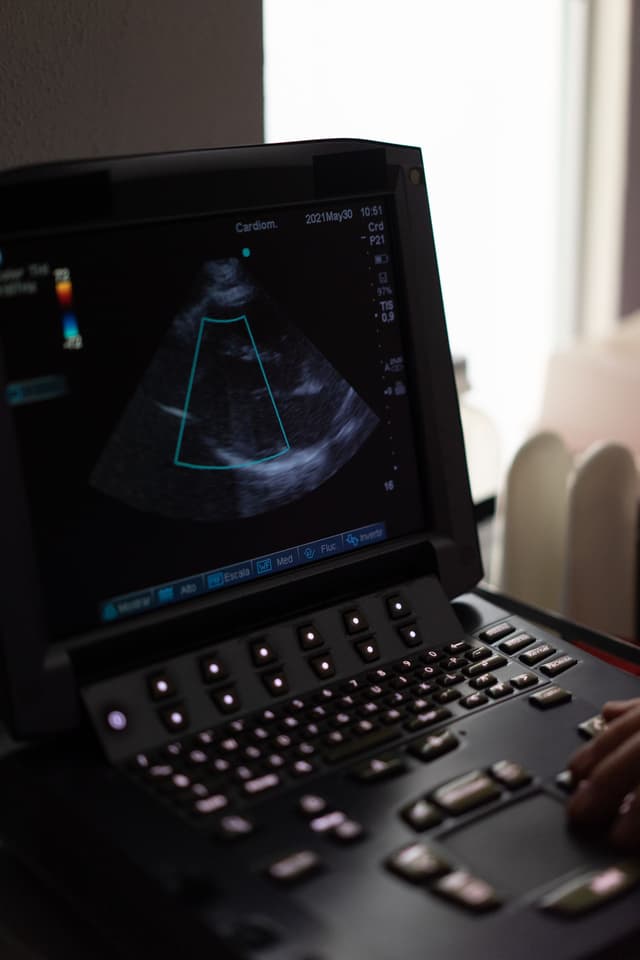
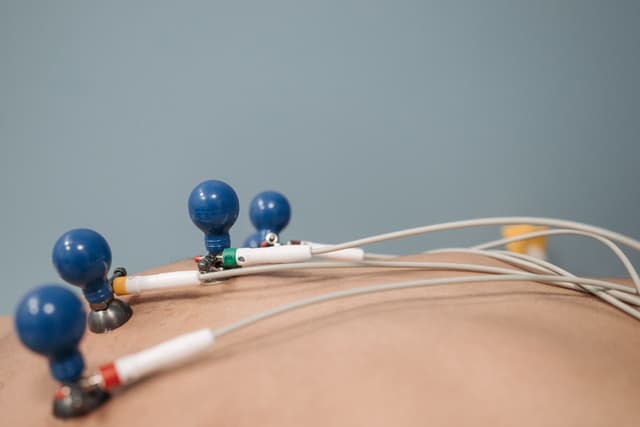
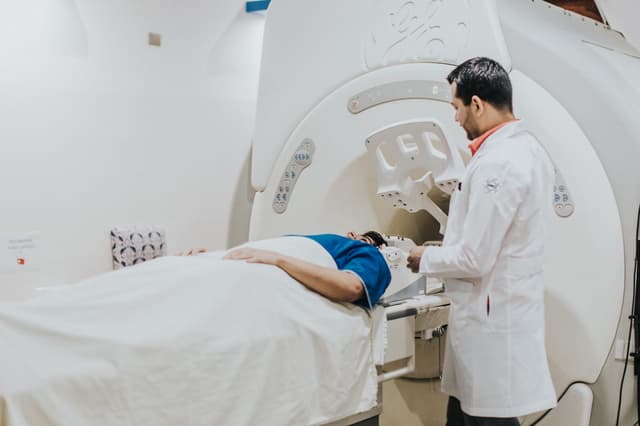
The diagnosis starts with your history and an examination. These are the tests most often used to confirm it.
How it is managed
Medicines that protect the heart
Several families of medicine improve both symptoms and survival. They are started at low doses and increased step by step.
Fluid balance
Water tablets ease breathlessness and swelling. Weighing yourself every morning shows fluid building up early.
Treating the cause
Blood pressure, rhythm, valve and artery problems are treated alongside the heart failure itself.
Devices, when needed
Some people benefit from a special pacemaker or a defibrillator, arranged by referral to a specialist centre.
General information, not a treatment plan. Your treatment is decided with you after an assessment.
Get emergency help now if you have
Call emergency services or go to the nearest emergency department. Do not wait for a clinic appointment.
- Severe breathlessness, or breathlessness at rest
- Chest pain or tightness
- Fainting, or a very fast heartbeat
- Coughing up pink, frothy phlegm
Common questions
Does heart failure mean my heart is about to stop?
No. It means the heart is not pumping or filling as efficiently as it should. It is a long-term condition, and treatment can improve both how you feel and how long you live.
Why should I weigh myself every day?
A rise of about 2 kg over two or three days usually means fluid is building up. Catching it early lets your treatment be adjusted before you become breathless.
Can heart failure get better?
Often, yes. With the right medicines the heart's pumping can recover partly or fully, especially when the cause is treated.
Other conditions
All conditions- Atrial fibrillationAn irregular, often fast heartbeat that starts in the upper chambers and raises the risk of stroke.
- High blood pressurePressure in the arteries stays too high. It rarely causes symptoms, but it strains the heart and blood vessels over time.
- High cholesterolToo much cholesterol in the blood, which can build up in artery walls over many years.
- Coronary artery diseaseThe arteries that supply the heart muscle become narrowed by fatty plaque.
- CardiomyopathyA disease of the heart muscle itself, which may become thickened, stretched or stiff.
- Heart valve diseaseOne of the heart's four valves does not open fully or does not close properly.
- AnginaChest discomfort, usually on exertion, when the heart muscle briefly gets too little blood.
- ArrhythmiaA heartbeat that is too fast, too slow or irregular, caused by a problem in the heart's electrical system.
- Diabetes and the heartDiabetes raises the risk of heart and blood vessel disease, so the two are best managed together.
Living with this, or worried you might be?
Book a consultation or send a question on WhatsApp. Your history, results and treatment are reviewed in person, and the plan is explained to you before you leave.
This page explains a condition in general terms. It cannot diagnose you or replace an examination, and it is not a treatment plan. Do not change or stop a medicine without talking to your doctor. If your symptoms are severe, sudden or happening now, seek emergency care immediately.