
Atrial fibrillationan irregular rhythm worth taking seriously.
Atrial fibrillation (AF) is an irregular, often fast heartbeat that starts in the upper chambers of the heart. It is common, especially with age. It matters mainly because it raises the risk of stroke, and that risk can be greatly reduced.
At a glance
- Often noticed as
- Palpitations, breathlessness, or nothing at all
- Confirmed with
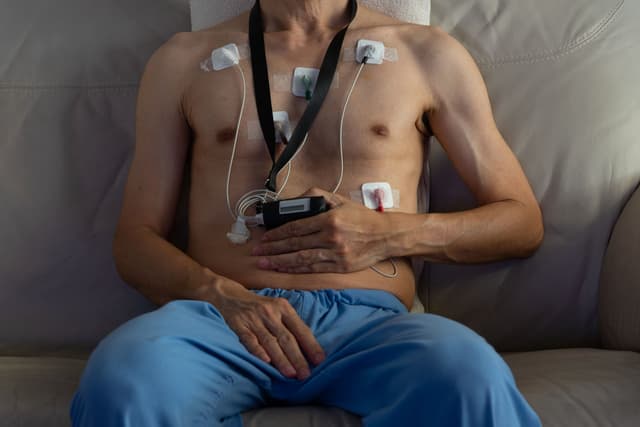
- An ECG or a Holter recording
- Aim of care
- Prevent stroke and control the heart rate
- Followed up in
- General cardiology
Symptoms
Symptoms vary from person to person, and some people have none. These are the most common.
- A fluttering, racing or irregular heartbeat
- Breathlessness, especially on exertion
- Tiredness and less energy for exercise
- Dizziness or light-headedness
- No symptoms at all: AF is often found by chance
Causes and risk factors
- Age over 65
- High blood pressure
- Heart failure, valve disease or coronary artery disease
- An overactive thyroid
- Excess weight and sleep apnoea
- Heavy alcohol use
How it is diagnosed
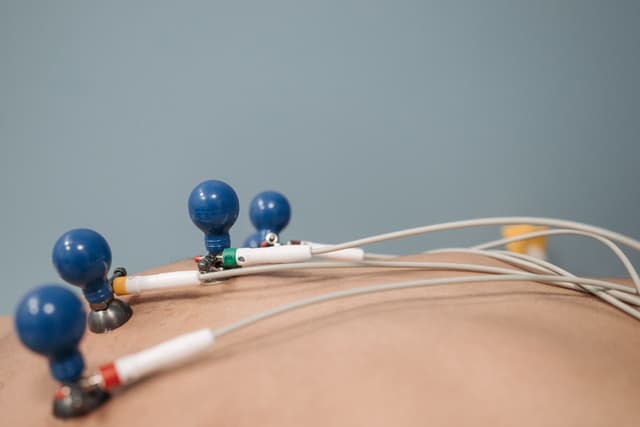
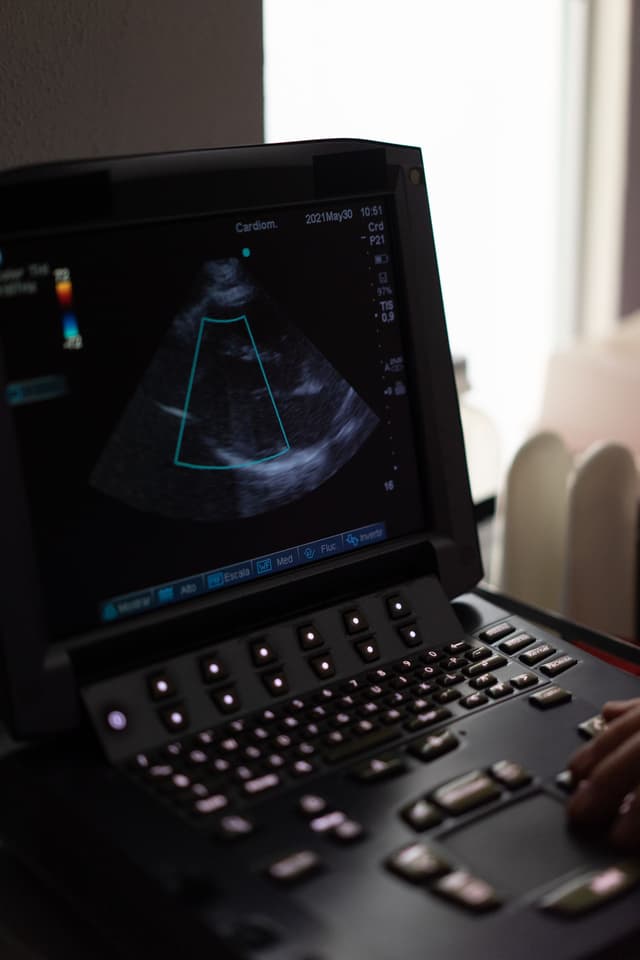
The diagnosis starts with your history and an examination. These are the tests most often used to confirm it.
How it is managed
Stroke prevention
Your stroke risk is scored, and most people with AF are offered an anticoagulant (a blood thinner) to lower it.
Rate control
Medicines slow the heart so it pumps more efficiently, which often eases symptoms.
Rhythm control
Some people benefit from restoring a normal rhythm with medicine, cardioversion or ablation, arranged by referral.
Treating what drives it
Blood pressure, weight, alcohol, sleep apnoea and thyroid problems all affect how often AF comes back.
General information, not a treatment plan. Your treatment is decided with you after an assessment.
Get emergency help now if you have
Call emergency services or go to the nearest emergency department. Do not wait for a clinic appointment.
- Weakness of the face, arm or leg, or difficulty speaking
- Chest pain with a racing heartbeat
- Fainting, or nearly fainting
- Severe breathlessness
Common questions
Is atrial fibrillation dangerous?
It is rarely an immediate danger, but untreated it raises the risk of stroke and can weaken the heart over time. Both risks can be reduced with treatment.
Will I need a blood thinner for life?
It depends on your stroke risk score, which is based on your age and other conditions. The decision is reviewed as your circumstances change.
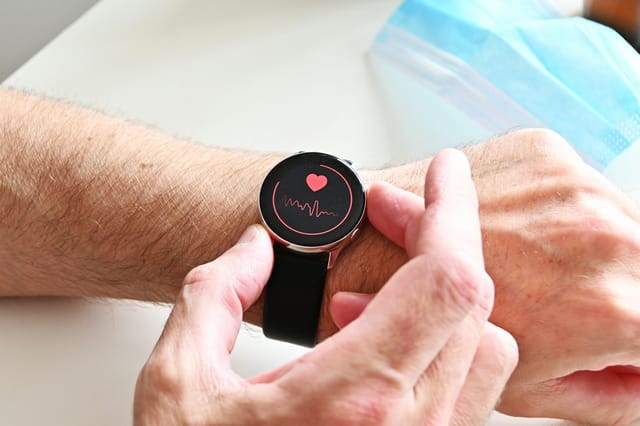
My smartwatch says I have AF. What should I do?
Keep the recording and book an appointment. A watch reading is a useful clue, and it is confirmed with a proper ECG.
Other conditions
All conditions- Heart failureThe heart muscle is not pumping or filling as well as it should, so the body receives less than it needs.
- High blood pressurePressure in the arteries stays too high. It rarely causes symptoms, but it strains the heart and blood vessels over time.
- High cholesterolToo much cholesterol in the blood, which can build up in artery walls over many years.
- Coronary artery diseaseThe arteries that supply the heart muscle become narrowed by fatty plaque.
- CardiomyopathyA disease of the heart muscle itself, which may become thickened, stretched or stiff.
- Heart valve diseaseOne of the heart's four valves does not open fully or does not close properly.
- AnginaChest discomfort, usually on exertion, when the heart muscle briefly gets too little blood.
- ArrhythmiaA heartbeat that is too fast, too slow or irregular, caused by a problem in the heart's electrical system.
- Diabetes and the heartDiabetes raises the risk of heart and blood vessel disease, so the two are best managed together.
Living with this, or worried you might be?
Book a consultation or send a question on WhatsApp. Your history, results and treatment are reviewed in person, and the plan is explained to you before you leave.
This page explains a condition in general terms. It cannot diagnose you or replace an examination, and it is not a treatment plan. Do not change or stop a medicine without talking to your doctor. If your symptoms are severe, sudden or happening now, seek emergency care immediately.