

Palpitationsa heart that races, flutters or skips.
Most palpitations are harmless extra beats. A few are rhythm problems worth treating. Here is what they can mean, and when to have them checked.
Get emergency help now if you have
Call emergency services or go to the nearest emergency department. Do not wait for a clinic appointment.
- Palpitations with chest pain or tightness
- Fainting, or nearly fainting, during an episode
- Severe breathlessness with a racing heart
- A very fast heartbeat that does not settle with rest
What it can mean
Most of these are common and treatable, and several have nothing to do with the heart. Telling them apart is what an assessment is for.
- Extra beatsA thud, a flutter or a pause that most people feel at some point. Usually harmless in a healthy heart.
- Atrial fibrillationAn irregular, often fast rhythm. It is common with age and matters because it raises the risk of stroke.
- Other rhythm problemsA heartbeat that is too fast or too slow, or that starts and stops suddenly.
- Everyday triggersCaffeine, alcohol, nicotine, stress, poor sleep, fever, an overactive thyroid and some medicines.
When to see a cardiologist
Book an appointment, rather than waiting to see if it passes, if any of these apply to you.
- Episodes that happen more than occasionally, or are becoming more frequent
- A heartbeat that feels irregular, not just fast
- Palpitations that come on during exercise
- A close relative who died suddenly at a young age, or who has an inherited heart condition
What we would do
Listen
We start with your story: what you feel, when it comes and what brings it on. It is the most useful part of the assessment.
Examine and record
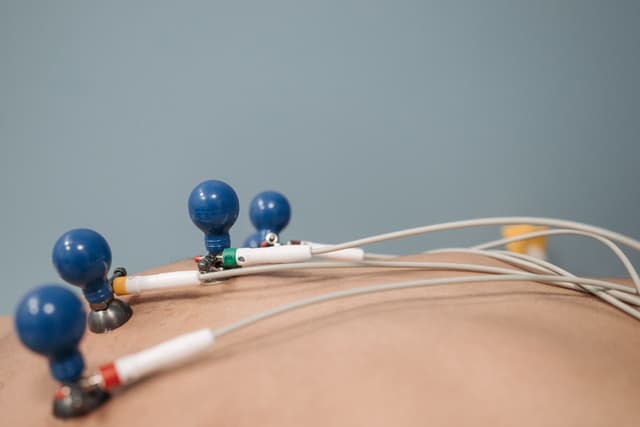
Pulse, blood pressure, heart sounds and an ECG, usually during the same visit.
Test only what matters
If a question is still open, we choose the test that answers it, and no more than that.
Explain the plan
You leave knowing what is likely behind the symptom, what happens next and when to come back.
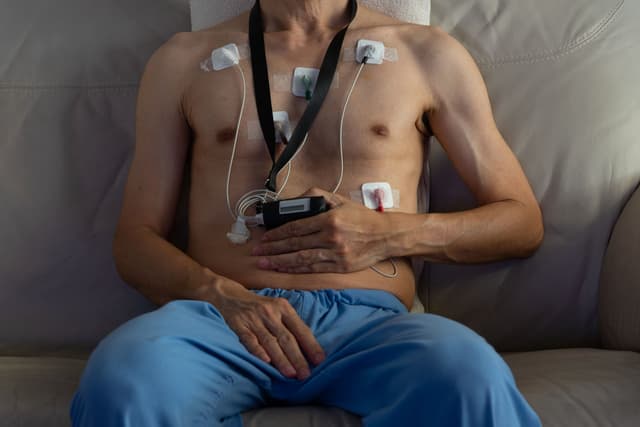
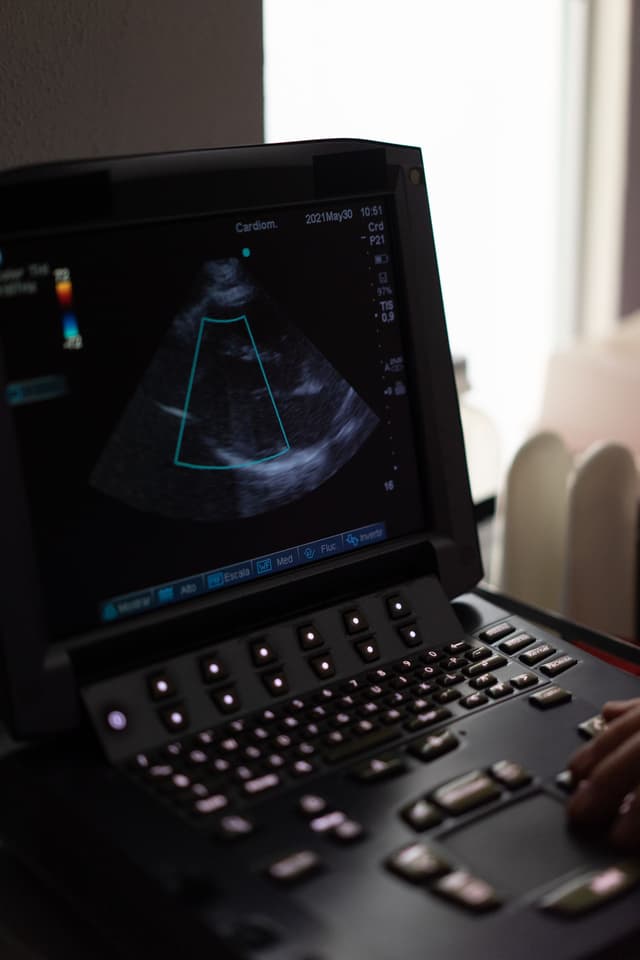
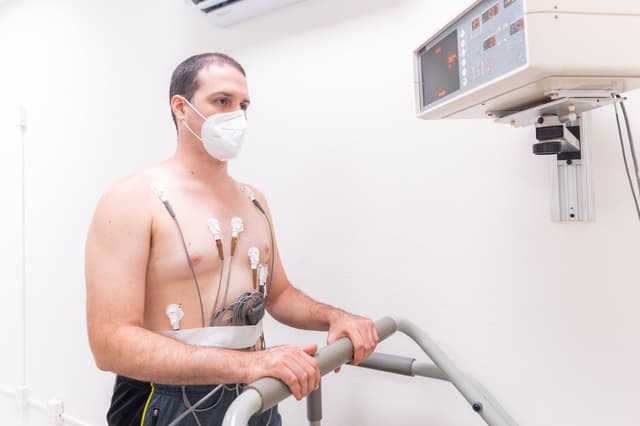
Tests that may help
Common questions
Are skipped beats dangerous?
Occasional extra beats are very common and usually harmless in a healthy heart. They are worth checking if they are frequent, come with other symptoms, or you already have a heart condition.
What if my heart is normal when I am in clinic?
That is common. A Holter monitor records your rhythm over one or more days, and a smartwatch or phone ECG taken during an episode can be very useful, so bring it with you.
Can coffee or stress cause palpitations?
Yes. Caffeine, alcohol, nicotine, poor sleep, stress and some cold remedies are common triggers. An assessment still makes sure nothing else is behind them.
Would you like it looked at properly?
Book a consultation or send a question on WhatsApp. The symptom is assessed in person, and the findings and next steps are explained to you before you leave.
This page explains what a symptom can be linked to. It cannot diagnose you or replace an examination. If your symptoms are severe, sudden or happening now, seek emergency care immediately.