

Kardiyak risk değerlendirmesiyour future heart risk, made clear.
Blood pressure, cholesterol, blood sugar, weight, smoking and family history are brought together to estimate your risk of heart attack or stroke, and to show which changes would lower it most.
Klinikte yapılır
At a glance
- How long
- About 45 minutes
- Preparation
- Fasting may be advised
- Results
- Plan agreed the same day
- Where
- In clinic
Why it might be recommended
Every test is chosen to answer a specific question. These are the most common reasons for this one.
- A parent, brother or sister with early heart disease
- High blood pressure, high cholesterol or diabetes
- Smoking, now or in the past
- Anyone over 40 who has never had their risk checked
What happens
History
Your symptoms, family history, lifestyle and medicines are reviewed in detail.
Measurements
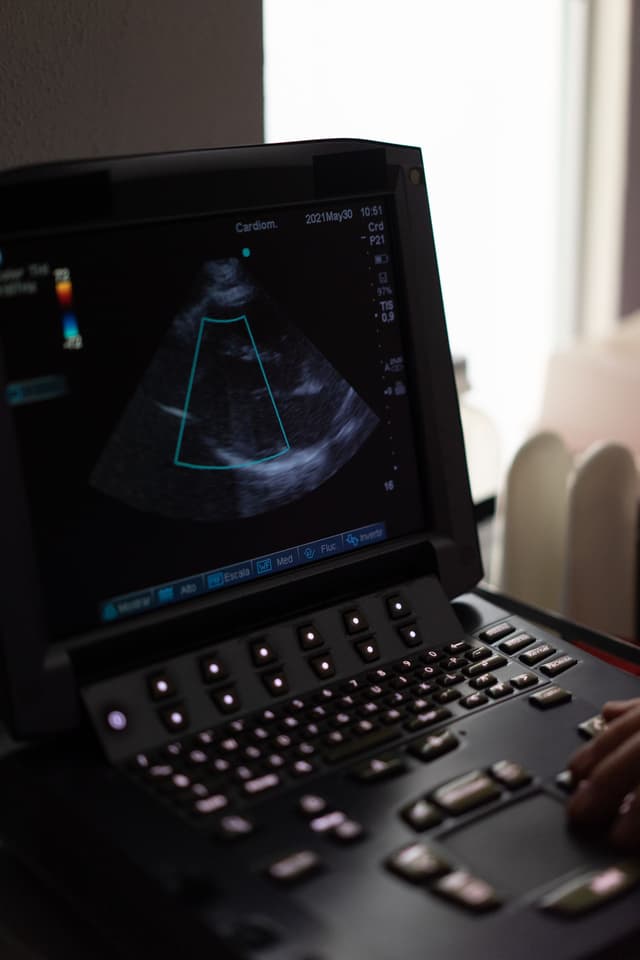
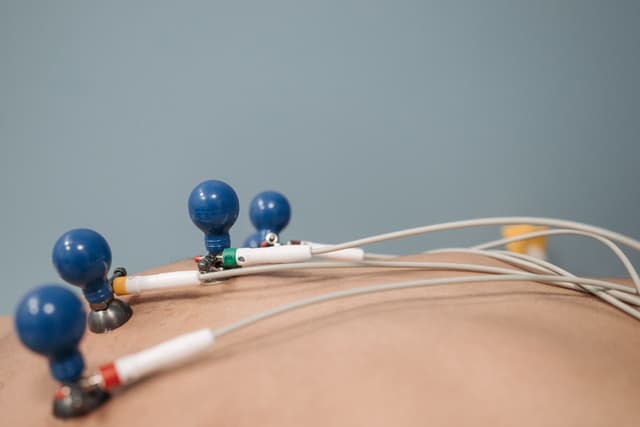
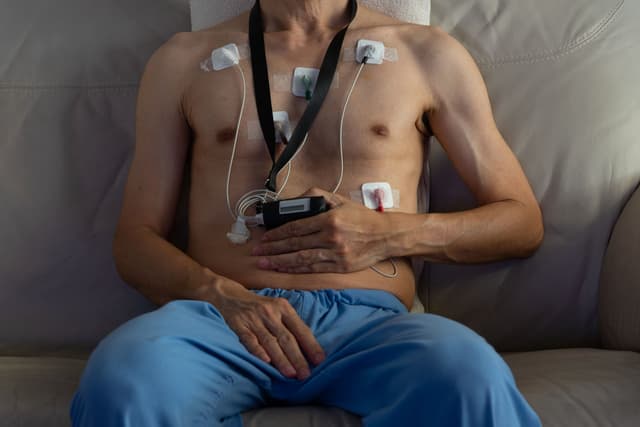
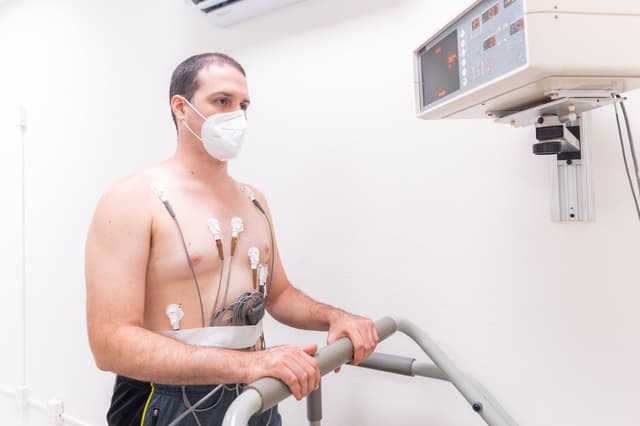
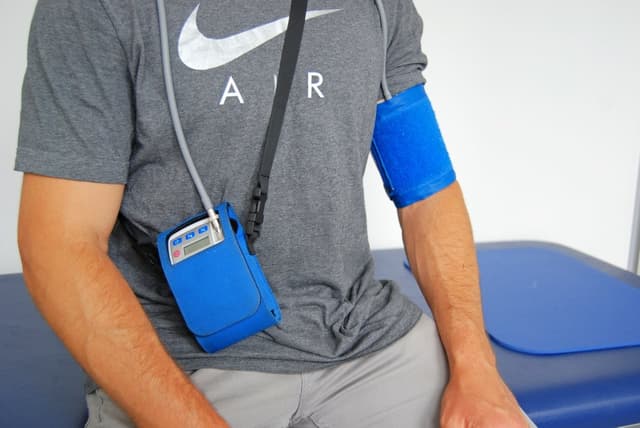
Blood pressure, weight, waist and pulse are measured, and an ECG may be recorded.
Blood tests
Cholesterol, glucose and kidney function are checked, or your recent results are reviewed.
Your plan
Your risk is calculated and explained, with a practical plan: lifestyle, medicines, or further tests if needed.
How to prepare
- Bring a list of your medicines and any recent blood results
- If you can, find out the age at which relatives had heart problems
- If blood is to be taken you may be asked to fast; this is confirmed when you book
Conditions it helps assess
- Yüksek tansiyonAtardamarlardaki basınç sürekli yüksek kalır. Nadiren belirti verir, ancak zamanla kalbi ve damarları yorar.
- Yüksek kolesterolKanda fazla kolesterol bulunması; yıllar içinde atardamar duvarlarında birikebilir.
- Koroner arter hastalığıKalp kasını besleyen atardamarlar yağlı plaklarla daralır.
- Diyabet ve kalpDiyabet kalp ve damar hastalığı riskini artırır; bu yüzden ikisi en iyi birlikte yönetilir.
Common questions
I feel fine. Is this worth it?
Yes. Heart disease often develops for years without symptoms. Knowing your risk early is what allows it to be reduced.
Will I be put on tablets?
Not necessarily. Treatment depends on your overall risk, and for many people lifestyle changes come first.
How often should it be repeated?
Usually every few years, or sooner if your health changes. You will be told what is sensible for you.


Not sure this is the test you need?
You do not have to decide alone. Book a consultation or send a question on WhatsApp. Tests are chosen once your symptoms and history have been reviewed.
This page explains what the test involves. It is not medical advice for your situation. If you have sudden or severe chest pain, fainting or breathlessness, seek emergency care immediately.