
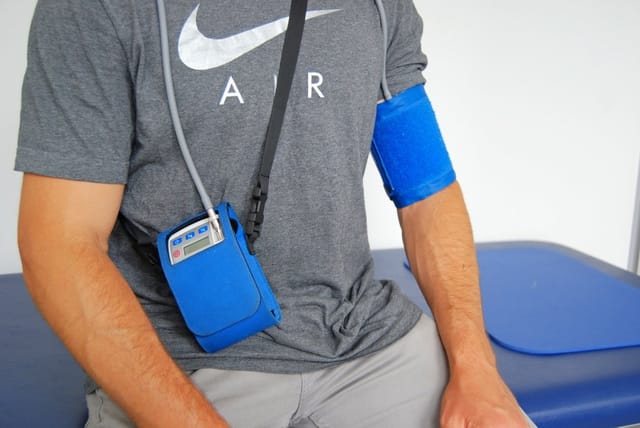
24 saatlik tansiyon izlemeyour blood pressure through a day and a night.
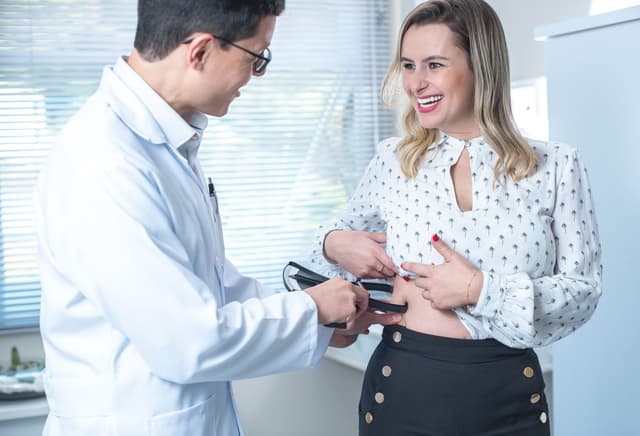
A cuff on your arm, linked to a small monitor on your belt, takes readings automatically through the day and less often overnight. It shows your true blood pressure away from the clinic.
Hastaneye sevk
At a glance
- How long
- 24 hours
- Preparation
- A loose sleeve
- Results
- At a follow-up visit
- Where
- Arranged by referral
Why it might be recommended
Every test is chosen to answer a specific question. These are the most common reasons for this one.
- Readings that are high in clinic but normal at home, or the reverse
- Confirming high blood pressure before treatment starts
- Checking that treatment lasts through the day and night
- Dizziness that may come from low blood pressure
What happens
Fitting
The cuff is fitted to your upper arm and connected to a small recorder worn on a belt.
A normal day
You go about your usual routine. When the cuff inflates, keep your arm still and relaxed by your side.
Overnight
Keep it on while you sleep. Readings are taken less often at night.
Return
You return the monitor the next day, and the readings are analysed.
How to prepare
- Wear a loose, short-sleeved top that fits over the cuff
- Take your medicines as usual unless you are told otherwise
- Plan a normal day, but avoid heavy exercise, bathing or swimming while wearing it
Conditions it helps assess
Common questions
Will it wake me up?
It may at first. Most people sleep reasonably well once they are used to it.
Why not just check at home?
Home readings are valuable too. A 24-hour monitor adds night-time readings and many more measurements, which helps to confirm a diagnosis.
What if it inflates while I'm walking?
Stop if you can, and let your arm hang relaxed until it finishes.

Not sure this is the test you need?
You do not have to decide alone. Book a consultation or send a question on WhatsApp. Tests are chosen once your symptoms and history have been reviewed.
This page explains what the test involves. It is not medical advice for your situation. If you have sudden or severe chest pain, fainting or breathlessness, seek emergency care immediately.