
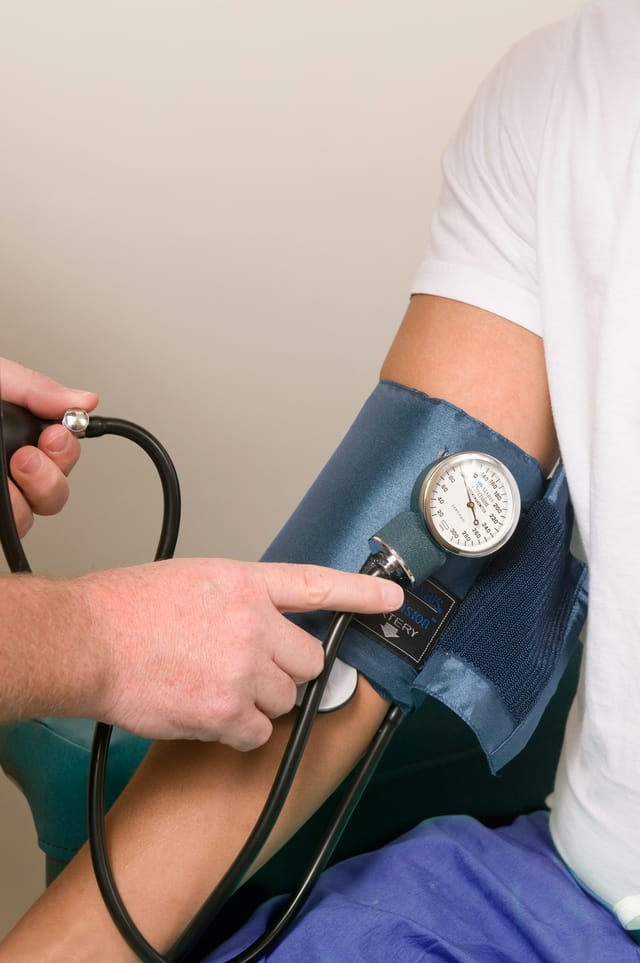
Yüksek tansiyonthe silent strain on the heart.
High blood pressure (hypertension) means the pressure in your arteries stays higher than it should. It rarely causes symptoms, but over the years it strains the heart, brain, kidneys and blood vessels. It is one of the most treatable risk factors there is.
At a glance
- Often noticed as
- Usually nothing: it is found by measuring
- Confirmed with
- Home or 24-hour blood pressure readings
- Aim of care
- Reach a target that protects the heart and brain
- Followed up in
- Hipertansiyon polikliniği
Symptoms
Symptoms vary from person to person, and some people have none. These are the most common.
- Most people have no symptoms at all
- Headaches, usually only when it is very high
- Blurred vision or nosebleeds, rarely
- Found at a routine check or a pharmacy reading
Causes and risk factors
- Family history and increasing age
- Salt, excess weight and inactivity
- Alcohol and smoking
- Diabetes and kidney disease
- Some medicines, such as painkillers and decongestants
- Less often, a hormone or kidney cause, especially in younger people
How it is diagnosed
The diagnosis starts with your history and an examination. These are the tests most often used to confirm it.
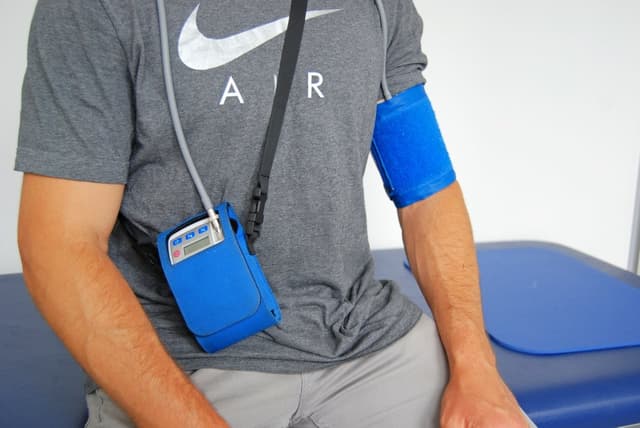
- 24 saatlik tansiyon izlemeHastaneye sevk
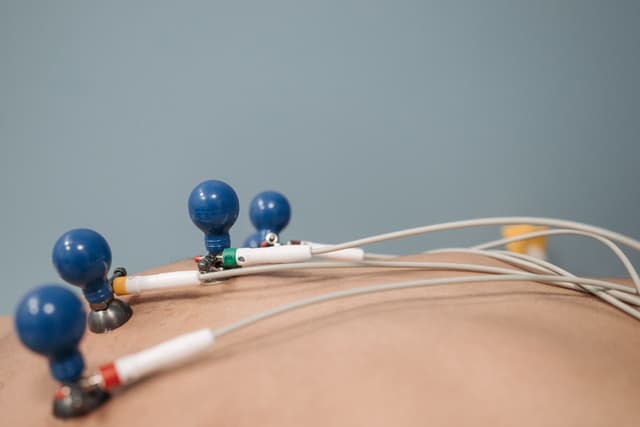
- EKGKlinikte yapılır
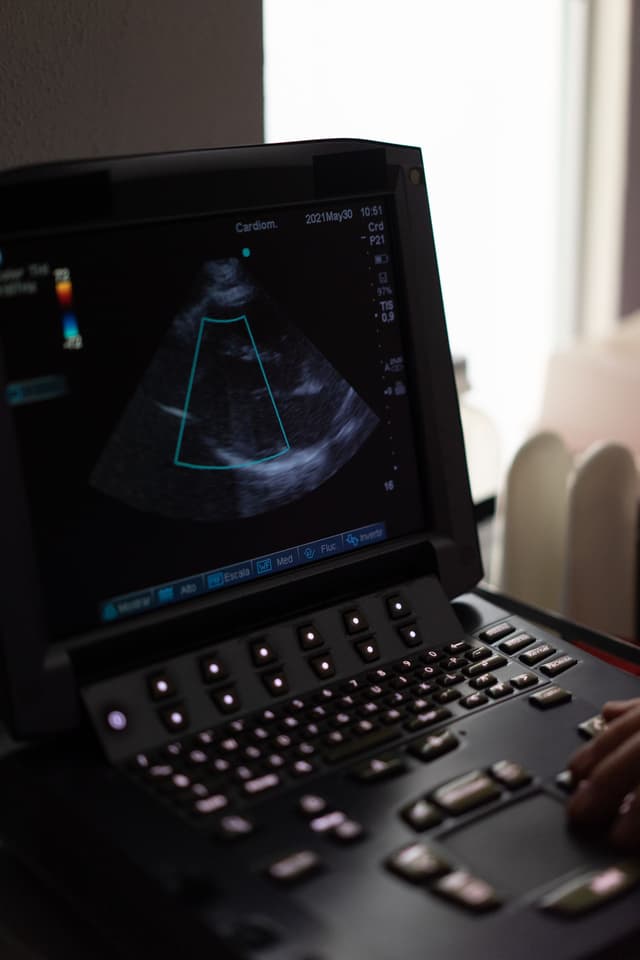
- EkokardiyografiKlinikte yapılır
- Kardiyak risk değerlendirmesiKlinikte yapılır

How it is managed
Confirm the numbers
A clinic reading can be misleading. Home or 24-hour readings show your true blood pressure.
Lifestyle
Less salt, more activity, weight loss and less alcohol can lower pressure as much as a tablet.
Medicines
Most people need one or two tablets, chosen to suit their age and other conditions.
Check for effects
An ECG, blood and urine tests, and sometimes an echocardiogram, show whether pressure has affected the heart or kidneys.
General information, not a treatment plan. Your treatment is decided with you after an assessment.
Get emergency help now if you have
Call emergency services or go to the nearest emergency department. Do not wait for a clinic appointment.
- A reading of 180/120 or higher with chest pain or breathlessness
- A sudden severe headache, confusion or change in vision
- Weakness of the face, arm or leg, or difficulty speaking
- Chest pain
Common questions
Why is my blood pressure higher in clinic?
Many people have higher “white-coat” readings in clinic. That is why home or 24-hour monitoring is used to confirm the diagnosis.
Once I start tablets, is it for life?
Usually, but not always. If lifestyle changes bring your pressure down, the dose can sometimes be reduced.
What should my blood pressure be?
For most adults the target at home is below 135/85, but your own target depends on your age and other conditions.
Other conditions
All conditions- Kalp yetmezliğiKalp kası olması gerektiği kadar iyi pompalamaz ya da dolmaz; bu yüzden vücut ihtiyacından azını alır.
- Atriyal fibrilasyonKalbin üst odacıklarından başlayan, düzensiz ve çoğu zaman hızlı bir kalp atışı; inme riskini artırır.
- Yüksek kolesterolKanda fazla kolesterol bulunması; yıllar içinde atardamar duvarlarında birikebilir.
- Koroner arter hastalığıKalp kasını besleyen atardamarlar yağlı plaklarla daralır.
- KardiyomiyopatiKalp kasının kendisinin hastalığı; kas kalınlaşabilir, genişleyebilir veya sertleşebilir.
- Kalp kapağı hastalığıKalbin dört kapağından biri tam açılmaz ya da düzgün kapanmaz.
- AnjinaKalp kası kısa süreliğine yeterince kan alamadığında, genellikle efor sırasında ortaya çıkan göğüs rahatsızlığı.
- AritmiKalbin elektrik sistemindeki bir sorundan kaynaklanan, çok hızlı, çok yavaş veya düzensiz kalp atışı.
- Diyabet ve kalpDiyabet kalp ve damar hastalığı riskini artırır; bu yüzden ikisi en iyi birlikte yönetilir.
Living with this, or worried you might be?
Book a consultation or send a question on WhatsApp. Your history, results and treatment are reviewed in person, and the plan is explained to you before you leave.
This page explains a condition in general terms. It cannot diagnose you or replace an examination, and it is not a treatment plan. Do not change or stop a medicine without talking to your doctor. If your symptoms are severe, sudden or happening now, seek emergency care immediately.