
Kardiyomiyopatiwhen the heart muscle itself is affected.
Cardiomyopathy is a disease of the heart muscle itself, which may become stretched, thickened or stiff. Some forms run in families. Many people live full lives with the right treatment and follow-up.
At a glance
- Often noticed as
- Breathlessness, palpitations or a family history
- Confirmed with
- An echocardiogram, often a cardiac MRI
- Aim of care
- Protect the heart and prevent rhythm problems
- Followed up in
- Kalp yetmezliği polikliniği
Symptoms
Symptoms vary from person to person, and some people have none. These are the most common.
- Breathlessness on exertion
- Palpitations
- Dizziness or fainting, especially on exertion
- Swollen ankles
- Chest pain
- No symptoms, found through family screening
Causes and risk factors
- Inherited genes, in several forms
- A previous viral infection of the heart
- Alcohol and some chemotherapy drugs
- Pregnancy (peripartum cardiomyopathy)
- A fast heart rhythm over a long period
- Often no cause is found
How it is diagnosed
The diagnosis starts with your history and an examination. These are the tests most often used to confirm it.
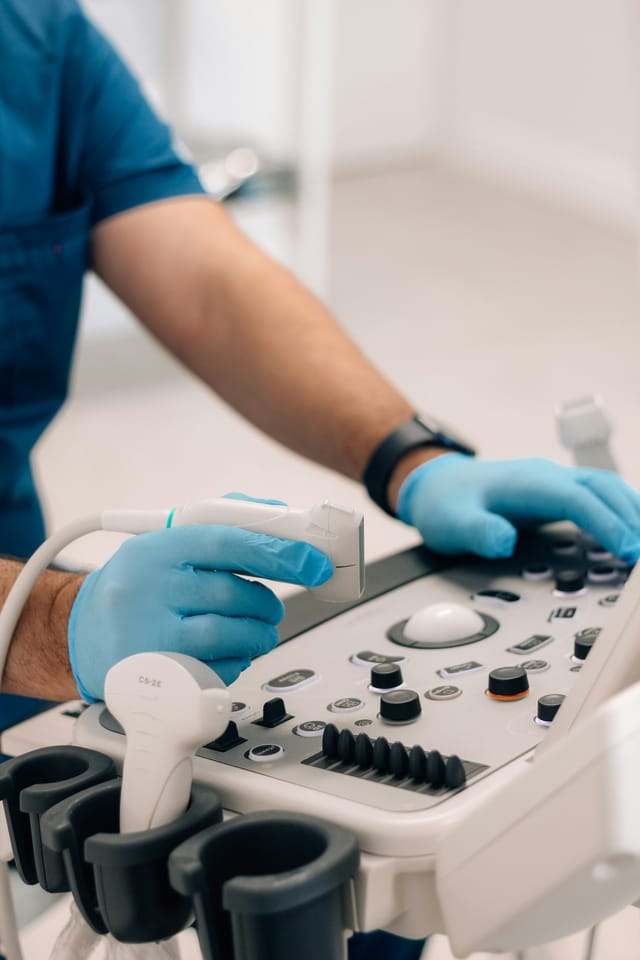
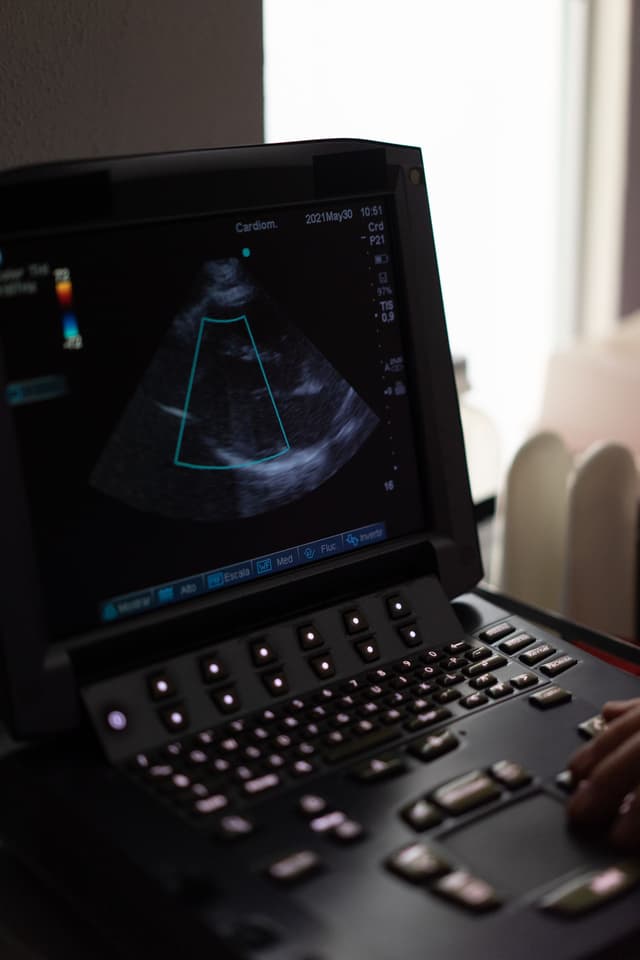
- EkokardiyografiKlinikte yapılır
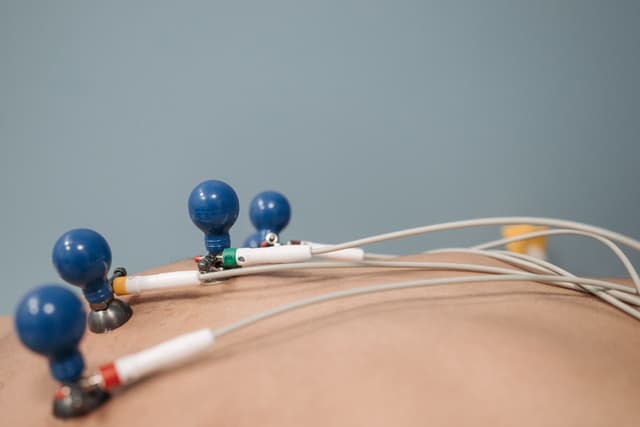
- EKGKlinikte yapılır
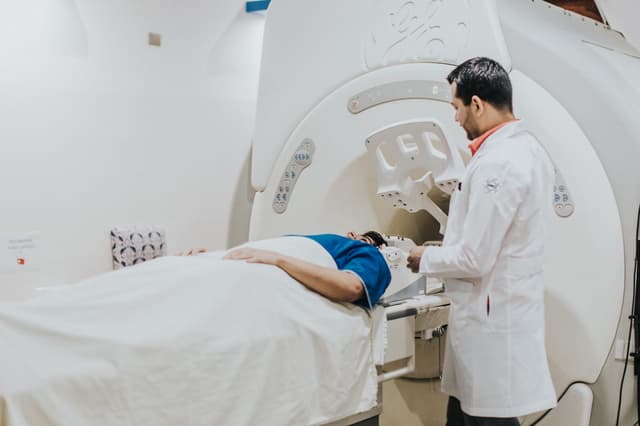
- Kardiyak MRHastaneye sevk
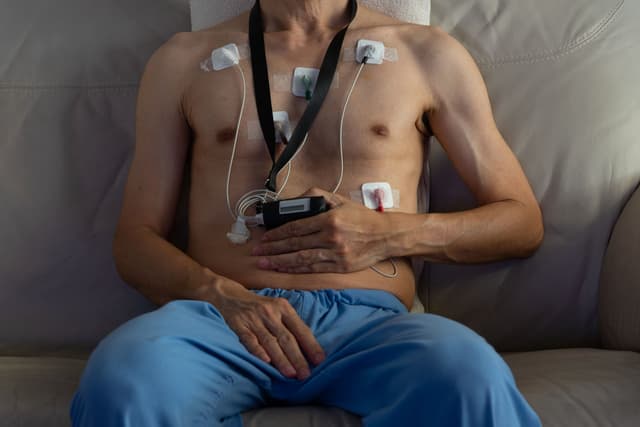
- Holter izlemeKlinikte yapılır
How it is managed
Heart-protecting medicines
Many of the medicines used for heart failure also help the heart muscle recover or stay stable.
Rhythm monitoring
Holter recordings look for rhythm problems, an important part of the risk assessment.
Family screening
When a form may be inherited, close relatives are offered an ECG and an echocardiogram.
Specialist care, when needed
Some people need a defibrillator or other specialist treatment, arranged by referral.
General information, not a treatment plan. Your treatment is decided with you after an assessment.
Get emergency help now if you have
Call emergency services or go to the nearest emergency department. Do not wait for a clinic appointment.
- Fainting, especially during exercise
- Chest pain or tightness
- Severe or sudden breathlessness
- A very fast heartbeat that does not settle
Common questions
Should my family be tested?
If the cardiomyopathy may be inherited, yes. Parents, brothers, sisters and children are usually offered an ECG and an echocardiogram.
Can I still exercise?
Most people can, but the safe level depends on the type. It is agreed with you after an assessment.
Will it get worse?
Not necessarily. Many forms stay stable for years with treatment, and some improve.
Other conditions
All conditions- Kalp yetmezliğiKalp kası olması gerektiği kadar iyi pompalamaz ya da dolmaz; bu yüzden vücut ihtiyacından azını alır.
- Atriyal fibrilasyonKalbin üst odacıklarından başlayan, düzensiz ve çoğu zaman hızlı bir kalp atışı; inme riskini artırır.
- Yüksek tansiyonAtardamarlardaki basınç sürekli yüksek kalır. Nadiren belirti verir, ancak zamanla kalbi ve damarları yorar.
- Yüksek kolesterolKanda fazla kolesterol bulunması; yıllar içinde atardamar duvarlarında birikebilir.
- Koroner arter hastalığıKalp kasını besleyen atardamarlar yağlı plaklarla daralır.
- Kalp kapağı hastalığıKalbin dört kapağından biri tam açılmaz ya da düzgün kapanmaz.
- AnjinaKalp kası kısa süreliğine yeterince kan alamadığında, genellikle efor sırasında ortaya çıkan göğüs rahatsızlığı.
- AritmiKalbin elektrik sistemindeki bir sorundan kaynaklanan, çok hızlı, çok yavaş veya düzensiz kalp atışı.
- Diyabet ve kalpDiyabet kalp ve damar hastalığı riskini artırır; bu yüzden ikisi en iyi birlikte yönetilir.
Living with this, or worried you might be?
Book a consultation or send a question on WhatsApp. Your history, results and treatment are reviewed in person, and the plan is explained to you before you leave.
This page explains a condition in general terms. It cannot diagnose you or replace an examination, and it is not a treatment plan. Do not change or stop a medicine without talking to your doctor. If your symptoms are severe, sudden or happening now, seek emergency care immediately.