Erhöhtes Cholesterinwhat builds up quietly in the arteries.
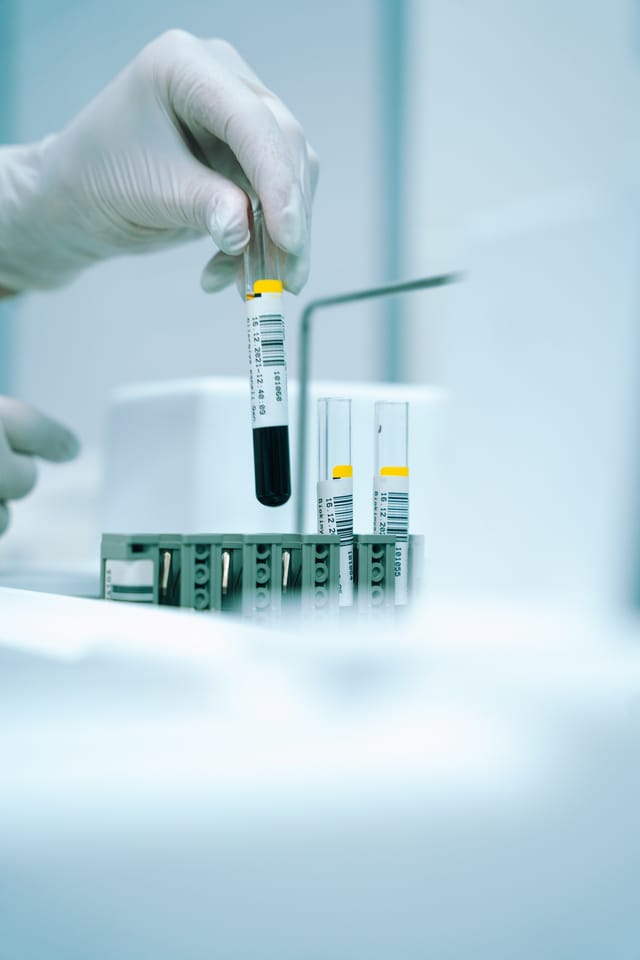
High cholesterol means there is too much LDL (“bad”) cholesterol in the blood. Over many years it builds up in artery walls and raises the risk of heart attack and stroke. It causes no symptoms, so it is found with a blood test.
At a glance
- Often noticed as
- Nothing: it is found with a blood test
- Confirmed with
- A lipid profile, with your overall risk
- Aim of care
- Lower LDL cholesterol to your target
- Followed up in
- Lipid-Sprechstunde
Symptoms
Symptoms vary from person to person, and some people have none. These are the most common.
- Usually no symptoms at all
- Yellowish deposits around the eyes or on tendons, in inherited forms
- A heart attack or stroke at a young age in the family
Causes and risk factors
- A diet high in saturated fat
- Inherited (familial) high cholesterol
- Excess weight and inactivity
- Diabetes, an underactive thyroid and kidney disease
- Some medicines
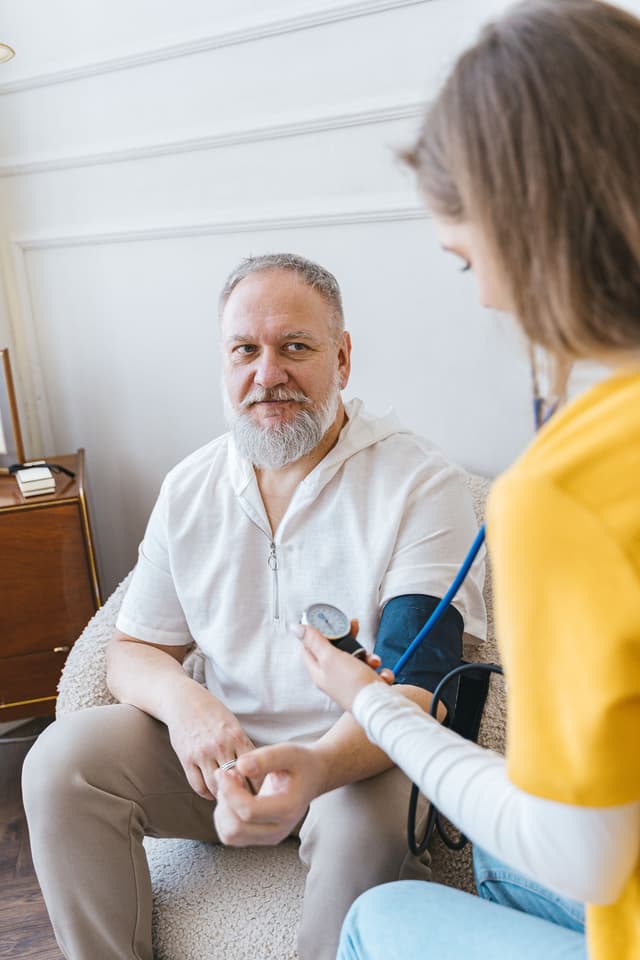
How it is diagnosed
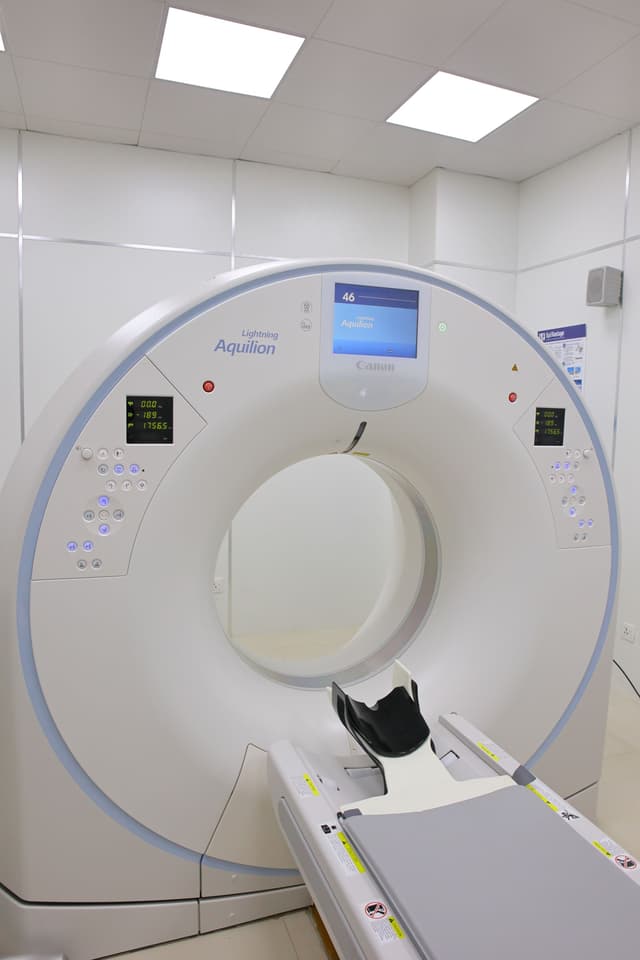
The diagnosis starts with your history and an examination. These are the tests most often used to confirm it.
How it is managed
Know your overall risk
Cholesterol is judged together with age, blood pressure, diabetes, smoking and family history, not on its own.
Food and activity
Less saturated fat, more fibre and regular exercise lower LDL and improve the whole profile.
Statins
The most proven medicine for preventing heart attacks and strokes. Side effects are uncommon and can usually be managed.
Further treatment
If the target is not reached, other medicines can be added. In inherited forms, family members may be tested.
General information, not a treatment plan. Your treatment is decided with you after an assessment.
Get emergency help now if you have
Call emergency services or go to the nearest emergency department. Do not wait for a clinic appointment.
- Chest pain or tightness, especially at rest
- Pain spreading from the chest to the arm, jaw or back
- Weakness of the face, arm or leg, or difficulty speaking
- Sudden severe breathlessness
Common questions
I feel fine. Do I really need treatment?
High cholesterol causes no symptoms until it contributes to a heart attack or stroke. Treatment is about prevention, so it is decided by your overall risk.
Are statins safe?
Yes, for the vast majority of people. They are among the most studied medicines in the world. Muscle aches can happen and are usually managed by changing the dose or the type.
Can diet alone fix it?
Diet can lower cholesterol by around 10 to 20 per cent. That is enough for some people; others, especially with inherited forms, also need medicine.
Other conditions
All conditions- HerzinsuffizienzDer Herzmuskel pumpt oder füllt sich nicht so gut, wie er sollte, sodass der Körper weniger erhält, als er braucht.
- VorhofflimmernEin unregelmäßiger, oft schneller Herzschlag, der in den Vorhöfen entsteht und das Schlaganfallrisiko erhöht.
- BluthochdruckDer Druck in den Arterien bleibt zu hoch. Er verursacht selten Beschwerden, belastet aber Herz und Gefäße auf Dauer.
- Koronare HerzkrankheitDie Arterien, die den Herzmuskel versorgen, werden durch fetthaltige Ablagerungen verengt.
- KardiomyopathieEine Erkrankung des Herzmuskels selbst, der verdickt, gedehnt oder versteift sein kann.
- HerzklappenerkrankungEine der vier Herzklappen öffnet sich nicht vollständig oder schließt nicht richtig.
- Angina pectorisBrustbeschwerden, meist bei Belastung, wenn der Herzmuskel kurzzeitig zu wenig Blut erhält.
- HerzrhythmusstörungEin zu schneller, zu langsamer oder unregelmäßiger Herzschlag, verursacht durch eine Störung im elektrischen System des Herzens.
- Diabetes und HerzDiabetes erhöht das Risiko für Herz- und Gefäßerkrankungen, daher werden beide am besten gemeinsam behandelt.
Living with this, or worried you might be?
Book a consultation or send a question on WhatsApp. Your history, results and treatment are reviewed in person, and the plan is explained to you before you leave.
This page explains a condition in general terms. It cannot diagnose you or replace an examination, and it is not a treatment plan. Do not change or stop a medicine without talking to your doctor. If your symptoms are severe, sudden or happening now, seek emergency care immediately.