
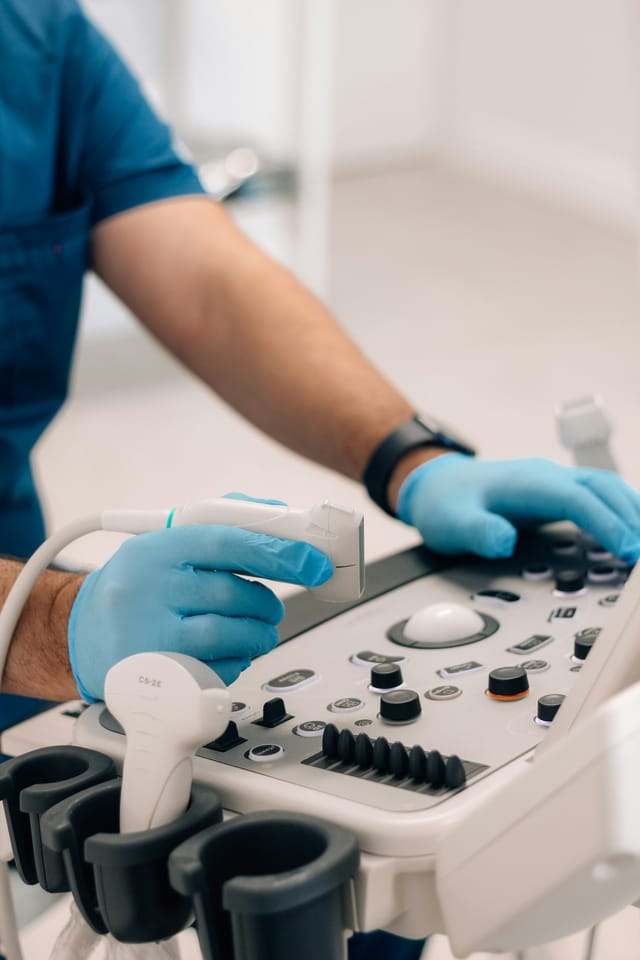
Kardiomyopathiewhen the heart muscle itself is affected.
Cardiomyopathy is a disease of the heart muscle itself, which may become stretched, thickened or stiff. Some forms run in families. Many people live full lives with the right treatment and follow-up.
At a glance
- Often noticed as
- Breathlessness, palpitations or a family history
- Confirmed with
- An echocardiogram, often a cardiac MRI
- Aim of care
- Protect the heart and prevent rhythm problems
- Followed up in
- Herzinsuffizienz-Sprechstunde
Symptoms
Symptoms vary from person to person, and some people have none. These are the most common.
- Breathlessness on exertion
- Palpitations
- Dizziness or fainting, especially on exertion
- Swollen ankles
- Chest pain
- No symptoms, found through family screening
Causes and risk factors
- Inherited genes, in several forms
- A previous viral infection of the heart
- Alcohol and some chemotherapy drugs
- Pregnancy (peripartum cardiomyopathy)
- A fast heart rhythm over a long period
- Often no cause is found
How it is diagnosed
The diagnosis starts with your history and an examination. These are the tests most often used to confirm it.
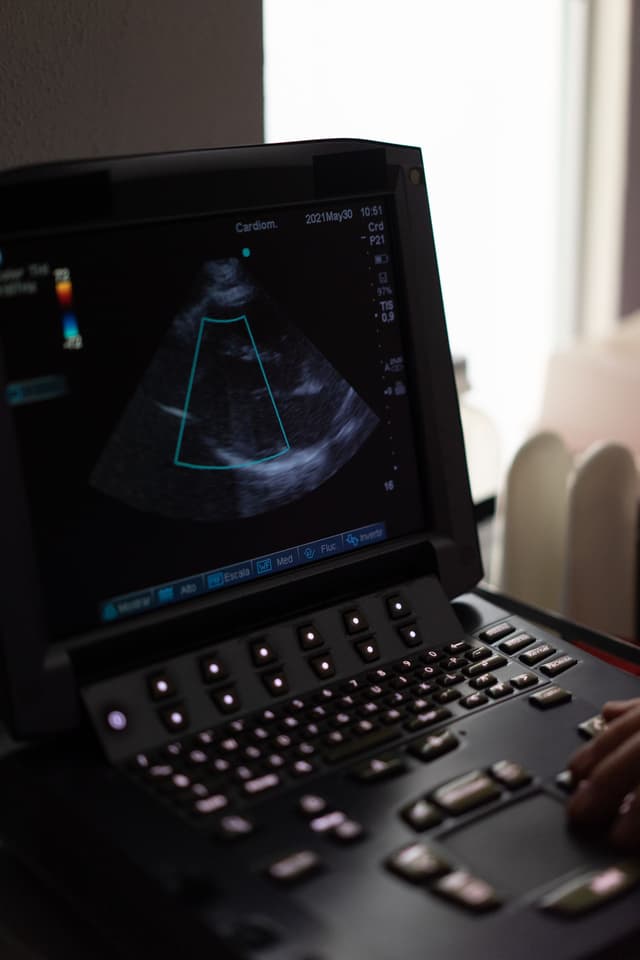
- EchokardiografieIn der Praxis verfügbar
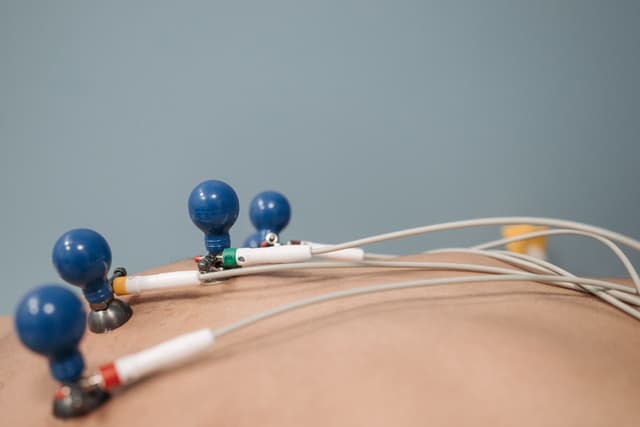
- EKGIn der Praxis verfügbar
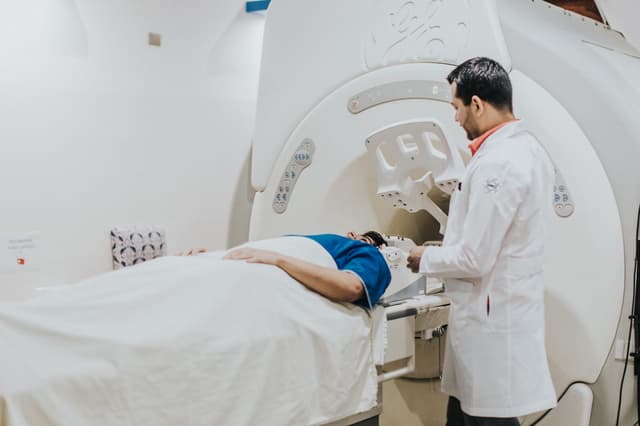
- Kardio-MRTÜberweisung ins Krankenhaus
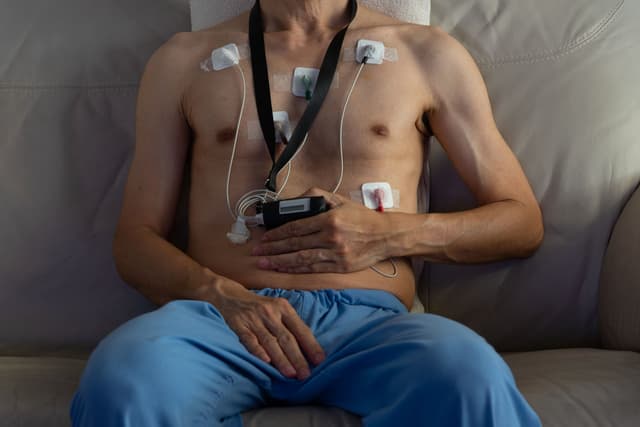
- Langzeit-EKG (Holter)In der Praxis verfügbar
How it is managed
Heart-protecting medicines
Many of the medicines used for heart failure also help the heart muscle recover or stay stable.
Rhythm monitoring
Holter recordings look for rhythm problems, an important part of the risk assessment.
Family screening
When a form may be inherited, close relatives are offered an ECG and an echocardiogram.
Specialist care, when needed
Some people need a defibrillator or other specialist treatment, arranged by referral.
General information, not a treatment plan. Your treatment is decided with you after an assessment.
Get emergency help now if you have
Call emergency services or go to the nearest emergency department. Do not wait for a clinic appointment.
- Fainting, especially during exercise
- Chest pain or tightness
- Severe or sudden breathlessness
- A very fast heartbeat that does not settle
Common questions
Should my family be tested?
If the cardiomyopathy may be inherited, yes. Parents, brothers, sisters and children are usually offered an ECG and an echocardiogram.
Can I still exercise?
Most people can, but the safe level depends on the type. It is agreed with you after an assessment.
Will it get worse?
Not necessarily. Many forms stay stable for years with treatment, and some improve.
Other conditions
All conditions- HerzinsuffizienzDer Herzmuskel pumpt oder füllt sich nicht so gut, wie er sollte, sodass der Körper weniger erhält, als er braucht.
- VorhofflimmernEin unregelmäßiger, oft schneller Herzschlag, der in den Vorhöfen entsteht und das Schlaganfallrisiko erhöht.
- BluthochdruckDer Druck in den Arterien bleibt zu hoch. Er verursacht selten Beschwerden, belastet aber Herz und Gefäße auf Dauer.
- Erhöhtes CholesterinZu viel Cholesterin im Blut, das sich über viele Jahre in den Arterienwänden ablagern kann.
- Koronare HerzkrankheitDie Arterien, die den Herzmuskel versorgen, werden durch fetthaltige Ablagerungen verengt.
- HerzklappenerkrankungEine der vier Herzklappen öffnet sich nicht vollständig oder schließt nicht richtig.
- Angina pectorisBrustbeschwerden, meist bei Belastung, wenn der Herzmuskel kurzzeitig zu wenig Blut erhält.
- HerzrhythmusstörungEin zu schneller, zu langsamer oder unregelmäßiger Herzschlag, verursacht durch eine Störung im elektrischen System des Herzens.
- Diabetes und HerzDiabetes erhöht das Risiko für Herz- und Gefäßerkrankungen, daher werden beide am besten gemeinsam behandelt.
Living with this, or worried you might be?
Book a consultation or send a question on WhatsApp. Your history, results and treatment are reviewed in person, and the plan is explained to you before you leave.
This page explains a condition in general terms. It cannot diagnose you or replace an examination, and it is not a treatment plan. Do not change or stop a medicine without talking to your doctor. If your symptoms are severe, sudden or happening now, seek emergency care immediately.